
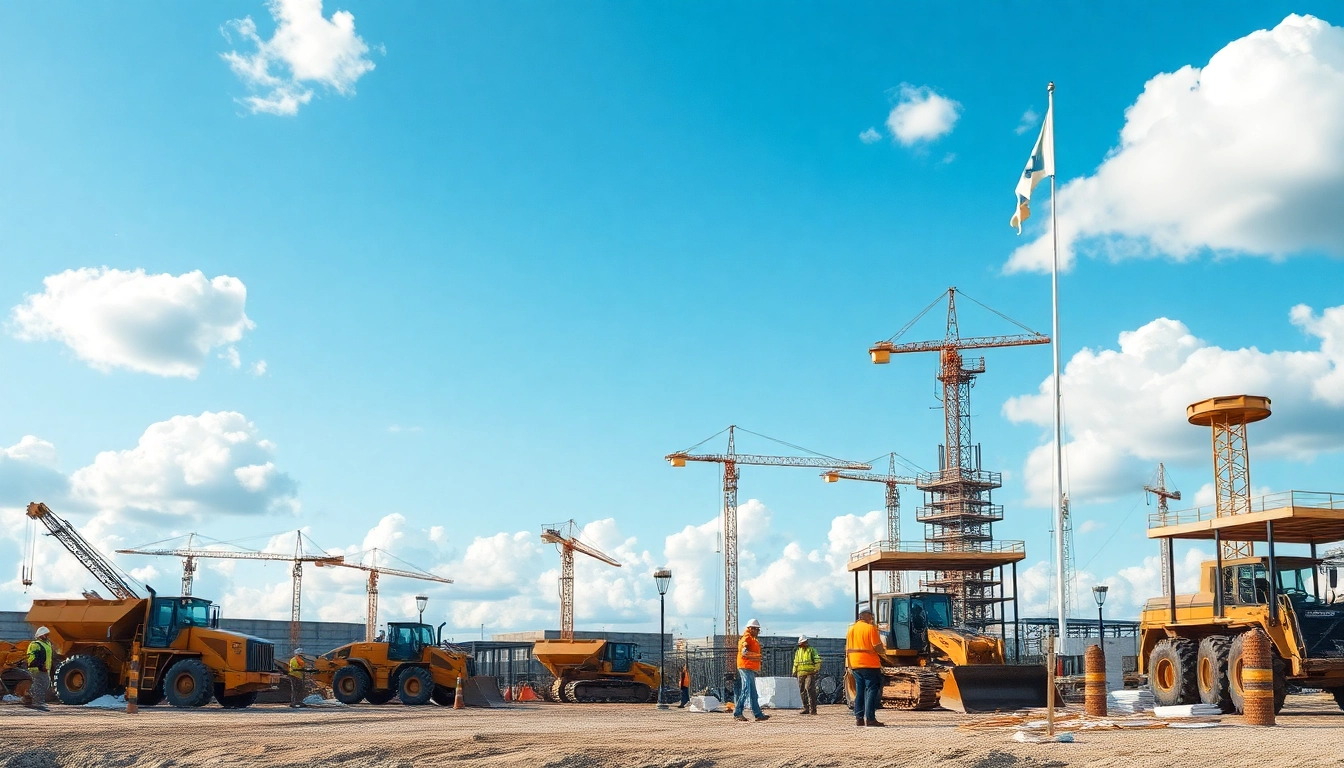
Recent Developments in Texas Construction News
The construction industry in Texas is vibrant and continually evolving, reflecting broader economic trends and changing societal needs. In recent months, Texas construction news has highlighted a series of important updates, projects, and shifts within the sector, all of which are pivotal in shaping the Texas landscape. This article will explore recent developments, challenges, best practices, successful projects, and future trends in Texas construction.
Key Projects Reshaping the Landscape
Major construction projects have been pivotal in reshaping the Texas landscape. One significant initiative includes the construction of new high-rise developments aimed at accommodating the booming population in urban areas such as Austin, Dallas, and Houston. These projects not only provide residential spaces but also include mixed-use developments that incorporate commercial space, parks, and community amenities.
Another vital project is the expansion of the Texas highway system. With increasing traffic congestion, the Texas Department of Transportation is undertaking substantial upgrades and expansions to arterial roadways. This effort includes the addition of high-occupancy vehicle (HOV) lanes and improvements to interchanges, enhancing connectivity and reducing commute times.
Economic Impact of Construction Trends
The economic ramifications of the construction industry in Texas are profound. As one of the most active construction markets in the U.S., Texas contributes substantially to job growth and economic stability. Recent construction trends indicate a surge in residential and commercial real estate development, which subsequently fuels employment in related sectors such as manufacturing, logistics, and retail.
Moreover, the increase in sustainable construction practices presents new job opportunities centered around green building certifications and energy-efficient technologies. As companies and communities move towards more eco-friendly constructions, the overall economic impact is projected to grow, benefiting both local economies and the environment.
Legislation Affecting the Industry
Legislation plays a critical role in shaping the construction industry. Recent regulatory changes in Texas have focused on streamlining the permitting process, which is often a bottleneck in construction timelines. New laws introduced aim to reduce bureaucratic hurdles, thus expediting project approvals while ensuring public safety and compliance with building codes.
Additionally, legislation regarding labor practices and environmental impact assessments has been updated to reflect the evolving priorities of the construction industry. Adhering to these legislative developments is essential for contractors and developers to remain competitive and compliant.
Challenges Facing the Texas Construction Industry
Labor Shortage and Skills Gap
One of the most pressing challenges within the Texas construction industry is the ongoing labor shortage. Skilled labor is in high demand due to a booming construction market, but a significant skills gap exists. Many workers lack the specialized skills needed, resulting in project delays, increased labor costs, and subpar workmanship.
To counter this, trade schools and apprenticeship programs are being encouraged to develop a pipeline of skilled laborers. Additionally, companies are increasingly investing in workforce training programs aimed at upskilling existing employees while making the industry more attractive to new entrants.
Material Costs and Supply Chain Issues
The rising material costs and persistent supply chain disruptions pose further challenges to Texas construction. Fluctuating prices for essential materials such as lumber, steel, and concrete have placed a strain on project budgets, often leading to increased loan requirements and financial uncertainties for contractors.
To mitigate these issues, construction firms are exploring alternative materials and sources, including local suppliers, to create cost efficiencies. Implementing bulk purchasing strategies and enhancing supplier relationships are also strategies companies use to combat escalating costs.
Weather-Related Delays
Texas is no stranger to extreme weather conditions, which can cause significant disruptions in construction schedules. From hurricanes to severe droughts, these events not only delay projects but also increase costs due to preventive measures and repairs.
To address weather-related concerns, construction managers are incorporating more robust contingency plans into project timelines. This includes using weather-resistant materials and designing adaptable project plans that can pivot when necessary, thus ensuring safety and minimizing delays.
Best Practices in Texas Construction
Effective Project Management Techniques
Effective project management is crucial in navigating the complexities of construction projects. Utilizing integrated project delivery methods, which emphasize collaboration and transparency, enhances project efficiency and reduces waste. Advanced project management tools and software solutions also help teams track timelines, budgets, and resources in real-time.
Regular communication throughout all project phases, involving stakeholders from design to execution, ensures that adjustments can be made proactively, which is vital for keeping projects on track.
Safety Standards and Regulations
Maintaining high safety standards is non-negotiable in the Texas construction industry. Adhering to OSHA regulations and creating a strong safety culture within construction firms reduces the likelihood of accidents. Implementing safety training programs and conducting regular safety audits are practices that help foster a safe workplace, ensuring the welfare of all workers and minimizing liability for companies.
Innovative Construction Technologies
The adoption of innovative construction technologies is transforming the Texas construction landscape. Building Information Modeling (BIM), for example, allows for more precise planning and construction through digital simulations. Moreover, technologies like drones and 3D printing are being used to enhance surveying accuracy and speed up construction processes.
Investing in technology not only leads to increased efficiency but can also create more sustainable building practices, promoting the long-term viability of projects.
Case Studies: Successful Texas Construction Projects
High-Rise Developments in Urban Areas
Several high-rise developments in Texas exemplify successful construction projects that enhance urban living. The recent construction of mixed-use towers in downtown Houston combines residential, office, and retail spaces, fostering a vibrant community atmosphere. These projects optimize land use and provide walking access to amenities, greatly improving the quality of life for residents.
Sustainable Building Practices Implemented
Case studies of sustainable building projects in Texas are gaining traction as communities prioritize environmental responsibility. For instance, a recent project in Austin utilized solar panels and energy-efficient materials, resulting in reduced energy consumption and lower utility costs for homeowners. Initiatives like these showcase how sustainable construction not only benefits the environment but also provides financial advantages for occupants.
Community-Focused Projects
Community-focused construction projects have made significant strides in Texas. Locally-oriented developments that prioritize affordable housing have emerged in cities such as San Antonio, addressing critical housing shortages. By focusing on inclusive designs and community engagement, these projects successfully cater to the needs of diverse populations while stimulating local economies.
Future Trends in Texas Construction News
Green Building Initiatives
The future of Texas construction is likely to be heavily influenced by green building initiatives. Increasing awareness of climate change and sustainability has prompted both developers and consumers to prioritize construction that minimizes environmental footprints. Projects focusing on energy efficiency and sustainable resource management are expected to dominate the construction scene.
Technological Advances in Construction
Technological advancements will continue to reshape the Texas construction industry. Emerging technologies such as artificial intelligence, machine learning, and augmented reality are set to improve construction methodologies, accelerating project timelines and enhancing safety measures. Companies that adopt these innovations will have a distinct competitive advantage.
Predictions for 2024
Looking ahead, the Texas construction industry is poised for robust growth. Predictions for 2024 indicate that we will witness a continuation of urban development, driven by population growth and economic expansion. Additionally, an increase in public-private partnerships is expected to foster further innovation and infrastructure improvements, ensuring Texas remains a leader in the construction sector.
FAQs
What are the trends in Texas construction for 2024?
Trends include a focus on sustainable building, technological advancements in methodologies, and urban developments addressing housing needs.
How does the labor shortage impact Texas construction?
The labor shortage leads to project delays and increased costs, prompting investments in workforce training and recruitment strategies.
What are key challenges in Texas construction?
Challenges include labor shortages, rising material costs, and weather-related delays affecting project timelines and budgets.
How can construction companies improve safety standards?
Implementing rigorous training programs, conducting safety audits, and fostering a safety-first culture are critical for improving safety standards.
What role does legislation play in Texas construction?
Legislation influences permitting processes, labor practices, and environmental regulations, critically shaping project execution in the industry.
