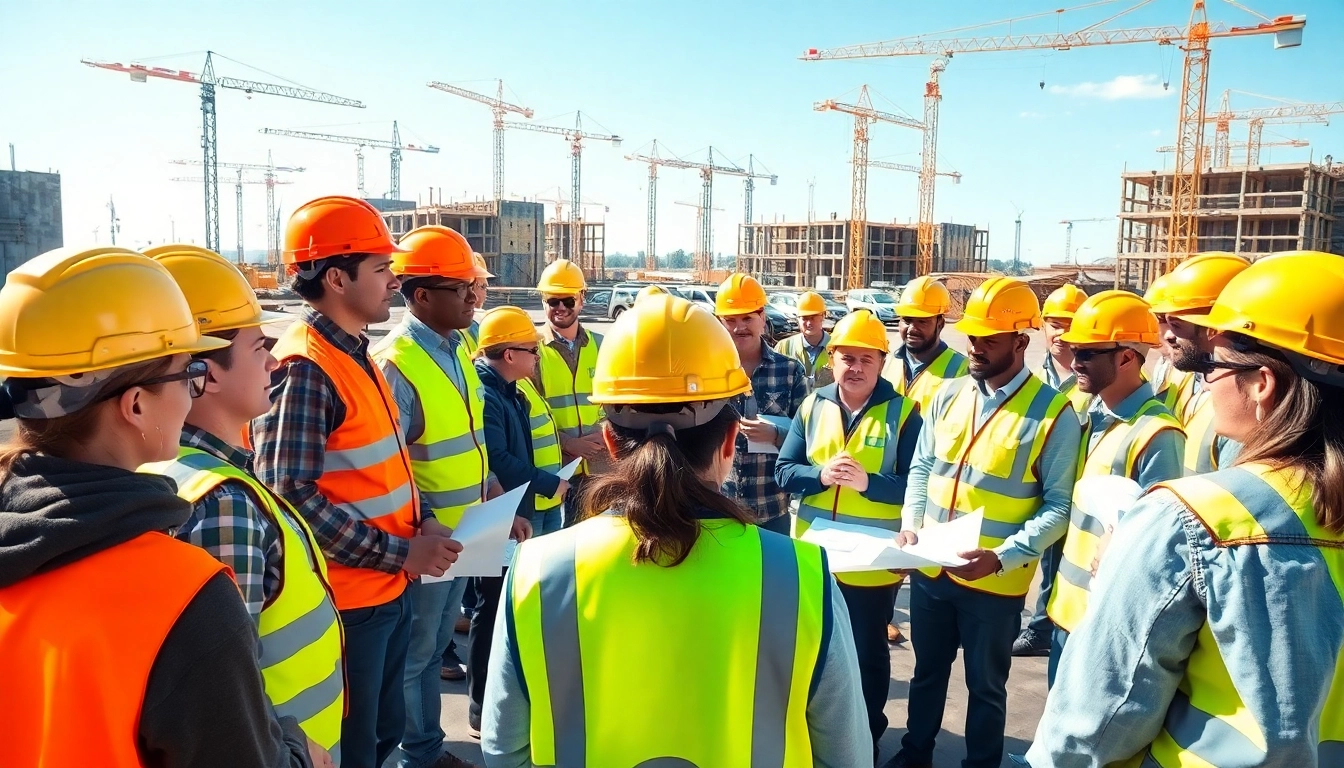
Understanding the Importance of Construction Safety Training
Construction sites can be hazardous environments, which is why the significance of construction safety training cannot be overstated. These training programs are designed to equip workers with the necessary skills and knowledge to recognize hazards, implement safety measures, and respond effectively in emergency situations. As the construction industry evolves, so too should the focus on safety training, ensuring that all personnel are prepared to maintain a safe work environment.
Defining Construction Safety Training
Construction safety training encompasses a wide array of educational practices aimed at minimizing risks associated with construction work. This includes interactive sessions that cover critical topics such as personal protective equipment (PPE), safe equipment operation, hazard communication, and emergency response procedures. Ensuring that all workers understand these concepts is vital; it not only helps prevent accidents but also fosters a culture of safety among team members.
Legal Requirements and Regulations
Construction safety training is often regulated by governmental bodies, most notably the Occupational Safety and Health Administration (OSHA). These regulations dictate the minimum safety standards that employers must meet, including the implementation of training programs based on the specific hazards workers might encounter. Compliance with these legal requirements is essential, as failing to provide adequate safety training can lead to substantial fines and increased liability for companies.
Benefits to Workers and Employers
The benefits of construction safety training extend to both workers and employers. For workers, comprehensive training leads to a lower risk of injury, a better understanding of safety protocols, and enhanced job satisfaction. Employers, on the other hand, benefit from reduced accident rates, lower worker compensation costs, and improved productivity. A well-trained workforce is a more effective workforce, contributing to the organization’s overall success.
Common Hazards in the Construction Industry
Identifying Workplace Hazards
The construction industry is rife with hazards, from falling objects to electrocutions. Identifying these risks is a critical step in developing effective safety training programs. Common hazards include unprotected edges, lack of proper scaffolding, and exposure to harmful chemicals. Conducting regular safety assessments can help identify these hazards before they result in accidents, allowing for timely intervention.
Risk Assessment Techniques
Implementing risk assessment techniques is vital for workplace safety. Techniques such as Job Safety Analysis (JSA) involve breaking down tasks to identify potential hazards and developing control measures to mitigate risks. Ensuring that all employees are trained in these techniques empowers them to recognize hazards actively and take preventative actions, creating a safer workplace environment.
Implementing Control Measures
Once hazards have been identified, it is essential to implement control measures to minimize risks. This can include engineering controls, such as installing guardrails, administrative controls like scheduling work in shifts to minimize fatigue, and ensuring that personal protective equipment (PPE) is always available and used correctly. Training workers on these measures helps maintain high safety standards on-site.
Effective Training Methods for Construction Safety
Hands-On Training vs. Classroom Instruction
Effective construction safety training often combines hands-on training with classroom instruction. While theoretical knowledge is essential, the practicality of hands-on training enables workers to experience real scenarios and practice their responses. This dual approach ensures that workers can apply what they have learned in a safe environment, preparing them for situations they may encounter on the job.
Using Technology in Training
Technology plays an increasingly crucial role in enhancing construction safety training. Virtual reality (VR) and augmented reality (AR) can simulate hazardous situations, allowing workers to practice safety procedures in a realistic setting. E-learning modules also offer flexible training options, accommodating diverse learning styles and schedules, ultimately leading to better retention of information.
Continuous Learning and Refresher Courses
Continuous learning is key to maintaining safety standards in the construction industry. Regular refresher courses help reinforce training concepts and introduce new safety protocols as regulations evolve. Employers should prioritize ongoing training discussions and set aside time for such updates to ensure their workforce remains informed and adept in maintaining safety at all times.
Evaluating the Success of Safety Training Programs
Setting Key Performance Indicators
To evaluate the effectiveness of safety training programs, organizations should establish clear Key Performance Indicators (KPIs). These KPIs may include metrics such as the number of reported incidents, completion rates for training modules, and results from safety audits. By systematically tracking these metrics, businesses can gauge the impact of their training initiatives and identify areas for improvement.
Conducting Safety Audits
Regular safety audits are essential for assessing the actual application of safety training in the workplace. These audits involve reviewing safety practices, equipment usage, and employee adherence to safety protocols. By identifying discrepancies between training and practice, organizations can refine their programs, ensuring they remain effective and relevant.
Collecting Feedback from Participants
Feedback from participants is invaluable in the continuous improvement of safety training programs. Conducting surveys and interviews can uncover insights into user experience, perceived effectiveness, and areas that may need more emphasis. Actively seeking this feedback encourages a culture of safety and collaboration, further enhancing training efforts.
FAQs about Construction Safety Training
What is the purpose of construction safety training?
The purpose of construction safety training is to educate workers about potential hazards and ensure they can implement safety protocols, reducing the risk of injury on the job site.
How often should safety training be conducted?
Safety training should be conducted regularly, typically during onboarding and at least annually, with additional refresher courses as needed to keep workers updated on new practices.
Are there specific training requirements by law?
Yes, various regulations mandate specific training requirements depending on the job tasks and hazards present. Compliance with OSHA regulations is crucial for all construction firms.
What topics are typically covered in training?
Common topics include personal protective equipment, hazard communication, emergency response, fall protection, and equipment operation safety protocols.
How can I assess the effectiveness of safety training?
Effectiveness can be assessed through metrics like incident rates, participant feedback, compliance with safety audits, and increases in safety knowledge demonstrated through assessments.