Understanding the Role of Rail Systems
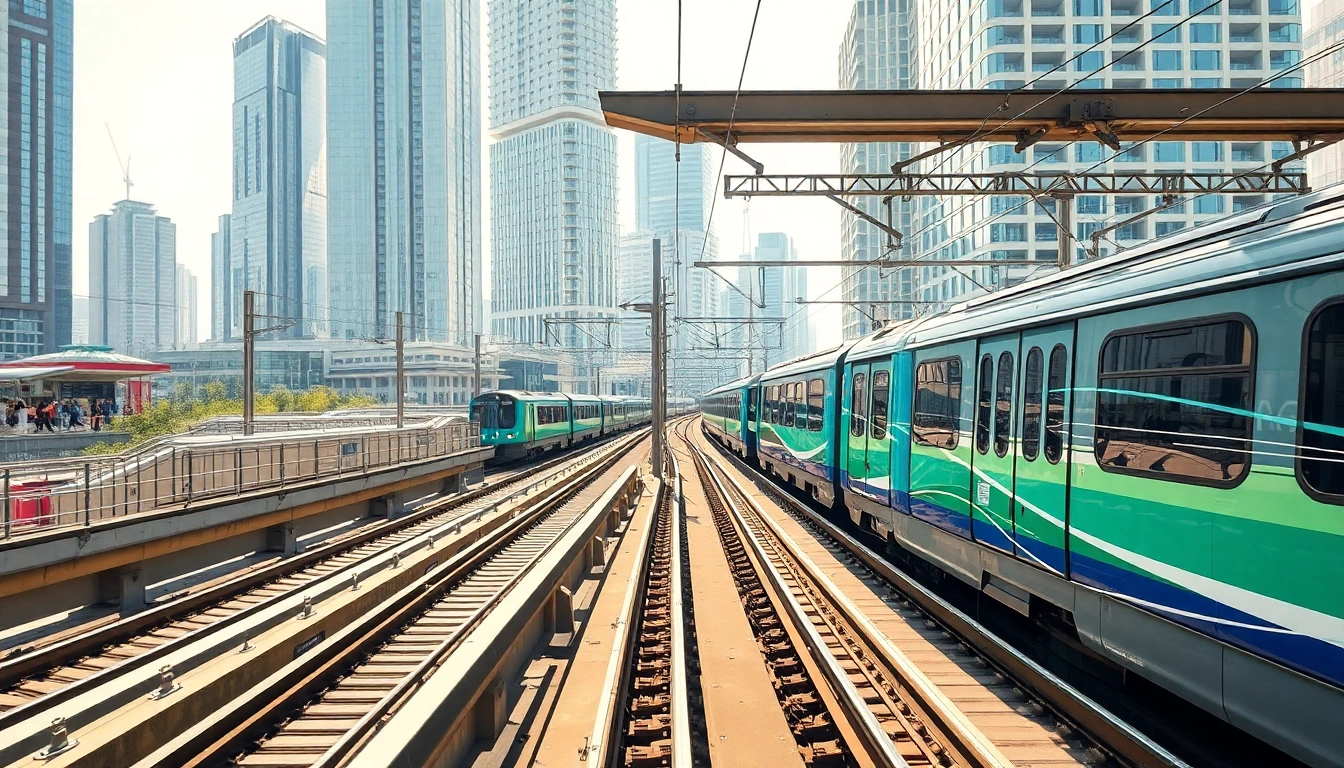
Rail systems are a critical component of modern transportation infrastructure, serving as the backbone for goods and passenger movement across vast distances. These systems not only provide a reliable means of transport but also contribute significantly to economic growth, urban development, and environmental sustainability. By integrating efficient rail systems into our urban environments, cities can enhance mobility and connectivity while minimizing congestion on roadways.
What Are Rail Systems?
Rail systems are organized networks that utilize rail tracks to transport trains, which can be powered by various means such as electricity, diesel, or steam. They can be broadly classified into different categories, including passenger rail services, freight transport systems, and urban transit networks. Each serves unique purposes and operates under specific frameworks to meet the diverse needs of communities and economies.
Benefits of Rail Systems
The advantages of rail systems extend beyond simple transportation. here are some key benefits:
- Efficiency: Trains can carry a large number of passengers or freight over long distances more efficiently than road vehicles.
- Environmental Impact: Rail transport generates fewer greenhouse gas emissions compared to road transport, making it a more sustainable option.
- Safety: Rail networks generally have lower accident rates when compared to other forms of transport, making them safer for passengers and cargo.
- Land Use Optimization: Rail systems can facilitate urban development by connecting key areas without the need for extensive road infrastructure.
- Economic Growth: Efficient rail services enhance local economies by improving access to job markets and resources.
Types of Rail Systems
There are several distinct types of rail systems, each designed to serve specific functions:
- Heavy Rail: Typically used for long-distance and high-capacity freight or passenger services, running on dedicated tracks.
- Light Rail: Often found in urban areas, designed for shorter trips and integrates well with street traffic and infrastructure.
- Commuter Rail: Serves suburban areas, connecting them to urban centers, and is characterized by low frequencies and longer distances.
- Freight Rail: Primarily used for the transport of goods, utilizing specialized cars and often operating on tracks separate from passenger lines.
- Monorails and Trams: Usually found in urban settings for short-distance travel, they can provide essential links within cities.
Key Components of Rail Systems
Infrastructure Essentials
The infrastructure of rail systems comprises key elements such as tracks, stations, bridges, and tunnels. This foundational framework must be robust and meticulously maintained to ensure safety and reliability:
- Tracks: Constructed with steel rails and sleepers, they must be laid down accurately to prevent derailments and ensure smooth travel.
- Stations: Serve as critical hubs for passenger transfers, must be designed with accessibility and convenience in mind.
- Bridges and Tunnels: Facilitate crossings over or under various terrains and obstacles, enhancing route efficiency.
Rolling Stock Significance
Rolling stock, which encompasses the vehicles that move on a railway, plays a vital role in the functionality of rail systems. This includes locomotives, passenger cars, and freight wagons. Selecting and maintaining appropriate rolling stock ensures efficient service, addressing factors such as capacity, speed, and operational cost. Regular inspections and timely upgrades are essential to maintain safety and performance.
Signaling and Control Systems
Advanced signaling and control systems are essential for preventing collisions and optimizing flow within rail systems. They ensure that trains operate synchronously, providing real-time information to drivers and managing integration with other transport modes. Features include:
- Automatic Train Control: Technology that monitors train speeds and provides real-time data.
- Centralized Traffic Control: A system that allows operators to control train movements over wide areas efficiently.
- Positive Train Control: Advanced safety technology designed to automatically impede collisions or derailments.
Designing Effective Rail Systems
Planning and Feasibility Studies
The initial step in developing a rail system involves meticulous planning and feasibility studies. These assessments involve analyzing community needs, cost estimations, potential routes, environmental impact, and technological requirements. Engaging stakeholders, conducting public consultations, and accessing funding sources are crucial to the project’s success.
Environmental Considerations
Environmental sustainability is a top priority for planning new rail systems. Assessing possible ecological effects includes considering wildlife habitats, air and noise pollution, and landscape impacts. Furthermore, innovative practices such as using recycled materials for tracks or implementing energy-efficient technology can make rail systems more environmentally friendly.
Integrating Technology
Technology plays an integral role in enhancing the efficiency of rail systems. Implementing smart technology solutions can improve operational processes, promote safety, and enhance the passenger experience. This includes:
- GPS Tracking: Allows for real-time tracking of train positions and schedules.
- Mobile Applications: Offer passengers the ability to purchase tickets, view schedules, and receive updates.
- Energy Management Systems: Optimize energy consumption across the rail network.
Challenges in Implementing Rail Systems
Funding and Investment Issues
One of the most significant challenges in developing rail systems is securing adequate funding. Rail infrastructure projects often require substantial investments and time frames for returns on investment can be lengthy. Public-private partnerships and government grants can help to alleviate financial burdens and promote innovative funding strategies.
Public Perception and Support
Public perception heavily influences the success of rail system initiatives. Building community support through education on benefits, addressing concerns about land use, and ensuring equitable access can foster a favorable environment for implementation. Initiatives should engage with citizens to address any hesitations they may have regarding the introduction or expansion of rail lines.
Maintenance and Upgrades
Continuous maintenance and timely upgrades of existing rail systems are essential for safety, operational efficiency, and adapting to changing demands. Cost-effective maintenance strategies, such as predictive maintenance using data analytics, can help identify potential issues before they escalate, thus minimizing downtime.
Future Trends in Rail Systems
Innovations in Rail Technology
As technology advances, rail systems are leveraging innovations to improve performance and safety. Trends include automation of trains, the integration of artificial intelligence for predictive analytics, and enhanced connectivity with other transportation modes. Innovations are leading to the development of smarter, more efficient rail networks that can adapt to varying passenger needs and environmental factors.
Sustainability Practices
Future rail systems are focusing on sustainability practices, such as electrification of lines, use of alternative fuels, and the incorporation of renewable energy sources. These efforts aim to reduce the overall carbon footprint of rail transport, promoting a cleaner environment and contributing to climate action goals.
Future-Proofing Rail Infrastructure
To ensure longevity and adaptability, rail systems must be designed with an eye toward future needs. This includes flexible designs that can accommodate improvements in technology, changing demographics, and evolving economic landscapes. Investing in modular infrastructure can facilitate upgrades without major disruption to services, positioning rail systems for continued relevance as societal needs evolve.
Frequently Asked Questions
1. What is the primary function of rail systems?
The primary function of rail systems is to provide efficient transportation of passengers and goods over long distances, contributing to economic growth and reducing traffic congestion.
2. How do rail systems benefit the environment?
Rail systems reduce greenhouse gas emissions and energy consumption compared to road transport, making them a sustainable transportation option that helps minimize environmental impact.
3. What are the main components of a rail system?
The main components include infrastructure such as tracks and stations, rolling stock like trains and carriages, and signaling and control systems to ensure safe operation.
4. What are the challenges in maintaining rail systems?
Challenges include securing funding for maintenance, addressing public support for projects, and ensuring timely upgrades to meet safety and operational standards.
5. How is technology affecting the future of rail systems?
Technology enhances operational efficiency, improves safety through automation, and allows for better integration with other forms of transportation, shaping the future of rail systems significantly.