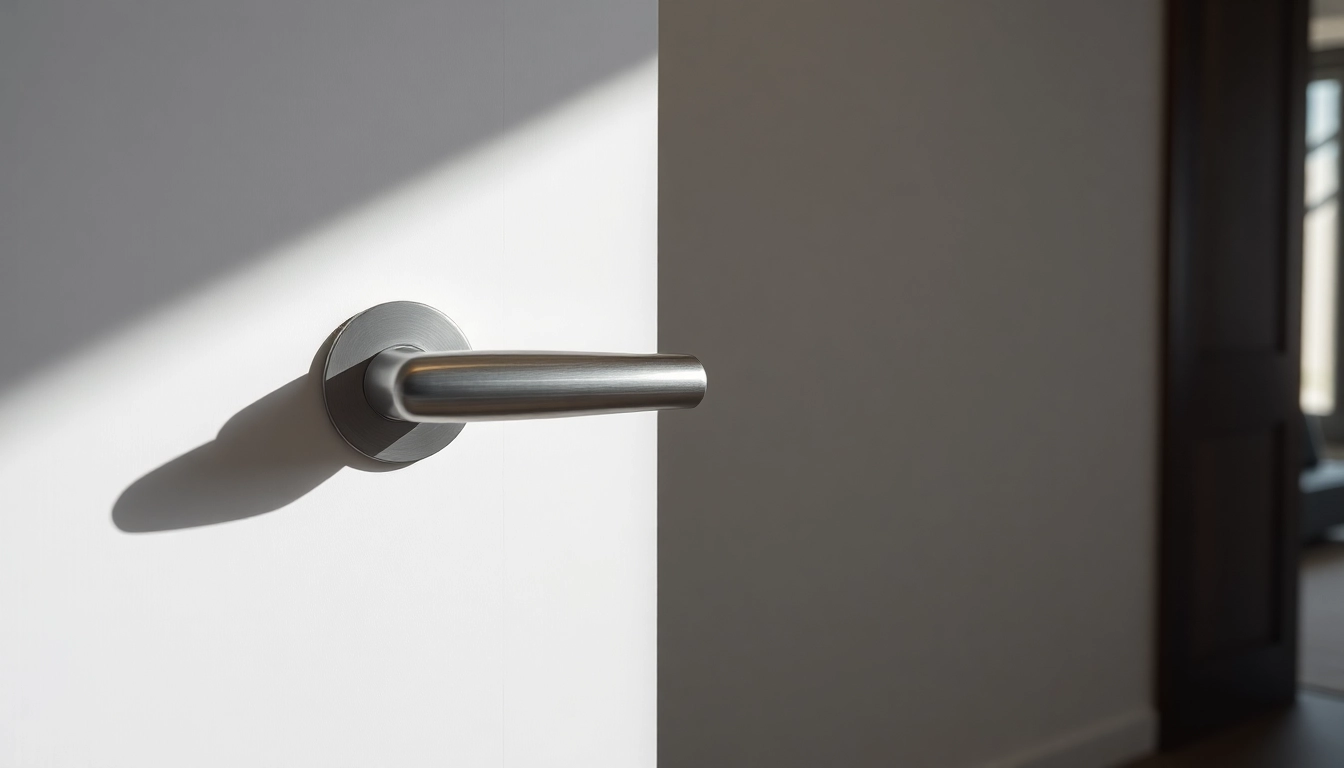
Understanding the Importance of Door Handle
When considering the overall aesthetics and functionality of a space, the importance of a door handle cannot be overstated. It serves as both a practical component and a design element, playing a crucial role in the first impression a room or building offers. Not only does the right door handle enhance functionality, but it also complements the architectural style and decor of your home. As they are frequently used, choosing high-quality handles contributes to safer and more efficient entrances and exits.
What Makes a Good Door Handle?
A good door handle is multifaceted, blending aesthetics with intuitive functionality. First and foremost, it should be comfortable to grip and use, conforming to the natural mechanics of the hand. An ergonomic design can enhance user experience significantly, especially in high-traffic areas.
Additionally, durability is vital. A well-constructed door handle will withstand the rigors of everyday use without compromising its integrity or appearance. Consider factors such as the mechanism’s weight, materials, and finish. Corrosion-resistant materials like stainless steel offer longevity and maintain their aesthetic appeal over time.
Materials and Their Impact on Performance
Materials play a crucial role in both the functionality and appearance of a door handle. Common materials include:
- Stainless Steel: Known for its strength and resistance to rust and corrosion, it’s ideal for both indoor and outdoor use.
- Brass: Traditionally used in Victorian-style handles, brass adds a vintage touch but requires regular polishing.
- Aluminum: Lightweight and often anodized for color, aluminum can suit various styles at a lower cost.
- Plastic and Composite Materials: These can be moldable into unique designs but may not offer similar durability.
Ultimately, selecting the right material directly impacts the functionality, look, and longevity of your door handle.
Choosing the Right Style for Your Home
Design is just as significant as functionality when it comes to door handles. The style you choose should align with your home’s architectural themes. For instance:
- Traditional Styles: Often ornate, these are perfect for classic homes.
- Modern Styles: Sleek, minimalist designs suit contemporary settings.
- Rustic Styles: Handles made from wrought iron or distressed metals complement country or farmhouse designs.
Selecting a style that harmonizes with your overall decor not only improves the aesthetic appeal but also enhances the user experience, making your home more inviting.
Types of Door Handle
Traditional vs. Contemporary Designs
The choice between traditional and contemporary door handles can significantly influence the atmosphere of your space. Traditional designs often feature intricate patterns and classic finishes like polished brass or oil-rubbed bronze, evoking a sense of nostalgia.
On the other hand, contemporary handles may emphasize clean lines and minimalist concepts, using materials like brushed nickel or matte black. This modern approach can create a sophisticated ambiance, especially in newly built homes or revamped spaces.
Functional vs. Decorative Features
A door handle can serve a functional purpose while also acting as a decorative element. Functional features may include:
- Lever Handles: Often easier to operate for individuals with limited hand strength.
- Knob Handles: Classic but require more dexterity to use.
- Handles with Grip Sizes: Options tailored to accommodate varying hand sizes enhance usability.
While functionality is vital, incorporating decorative features like unique finishes or designs can elevate the overall aesthetic without sacrificing practicality.
Common Finishes and Their Benefits
When selecting a finish for your door handle, consider both appearance and durability. Common finishes include:
- Polished Chrome: Offers a high-shine, modern look with good corrosion resistance.
- Brushed Nickel: Provides a softer appearance and hides fingerprints well.
- Antique Bronze: Adds a vintage feel and develops a beautiful patina over time.
Each finish can influence the perceived quality and enhance your overall decor as they radiate different vibes and styles in a room.
Installation and Maintenance Tips for Door Handle
Step-by-Step Installation Guide
Installing a door handle may seem daunting; however, it can be a straightforward task if approached systematically. Here’s a step-by-step guide:
- Gather your tools: a screwdriver, a drill, and a tape measure.
- Remove the existing handle by unscrewing it from the door.
- Measure and mark the placement of the new handle using the template provided.
- Drill holes for the new handle, ensuring they align correctly.
- Insert the handle into the drilled holes, securing it with screws.
- Test the functionality by opening and closing the door to ensure a smooth operation.
Following these steps can help you achieve a professional-looking installation while enhancing your property’s functionality.
Maintaining Durability Over Time
Regular maintenance of your door handle is essential for its longevity. Here are a few practical tips:
- Clean Regularly: Use a mild soap solution and avoid harsh chemicals that can damage the finish.
- Check for Wear: Regularly inspect the handle for signs of wear or loosening and tighten screws as necessary.
- Lubricate Mechanisms: Use a silicone-based lubricant to keep the moving parts operating smoothly.
With routine care, your door handle can maintain its appearance and functionality for many years.
Common Issues and How to Fix Them
Despite proper maintenance, issues may arise with your door handle. Here’s how to address some common problems:
- Handle Sticking: Clean the mechanisms and apply lubricant if the handle becomes hard to operate.
- Loosening Screws: Tighten screws regularly, and consider using thread-locking adhesive for a more permanent hold.
- Finish Damage: Touch-up kits are available for many finishes to conceal scratches and restore luster.
Quickly addressing these issues can help prolong the life of your door handle and maintain its aesthetic appeal.
Enhancing Home Security with Door Handle
Features that Improve Security
Door handles can significantly impact a home’s security system. Look for features like:
- Integrated Locks: Handles with built-in locks offer convenience and safety.
- Deadbolts: When paired with handles, they provide an enhanced level of security, preventing forced entry.
- Anti-pick Technology: Handles designed to prevent lock picking enhance safety.
Prioritizing security features when selecting a door handle can safeguard your home against unauthorized access.
Choosing the Right Locking Mechanism
When considering door handles, selecting the right locking mechanism is paramount. Options include:
- Single Cylinder Deadbolts: These are user-friendly and compatible with most door handles.
- Smart Locks: Offering keyless entry, these can be controlled through smartphone apps, enhancing security while providing convenience.
- Double Cylinder Deadbolts: These are ideal for doors with glass panels as they require a key to operate from both sides.
Understanding the security features and functions of each mechanism allows you to select the most appropriate option for your needs.
Upgrading for Enhanced Safety
If your current door handle lacks security features, consider upgrading. Look for modern designs that incorporate advanced materials and technology. Smart home integration for door handles provides additional safety measures and peace of mind. Investing in quality, secure door handles reduces the risk of unauthorized entry while also enhancing your home’s aesthetic.
Frequently Asked Questions about Door Handle
What is the best material for door handle?
Stainless steel is considered the best for durability and resistance to corrosion. Its strength and modern aesthetic make it suitable for various applications.
How do I install a door handle correctly?
Installation involves measuring, drilling, and securing the handle into place. Ensure the alignment is correct to facilitate smooth operation.
What styles of door handle are trending?
Current trends include minimalist designs in matte finishes and vintage styles, emphasizing brass and bronze materials for a classic touch.
Can I paint my door handle?
While possible, painting may affect durability and function. It’s advisable to use a finish meant for metal to avoid peeling or chipping.
How do I maintain my door handle?
Regularly clean handles with mild soap, lubricate mechanisms, and check for loose screws or wear to ensure longevity and performance.