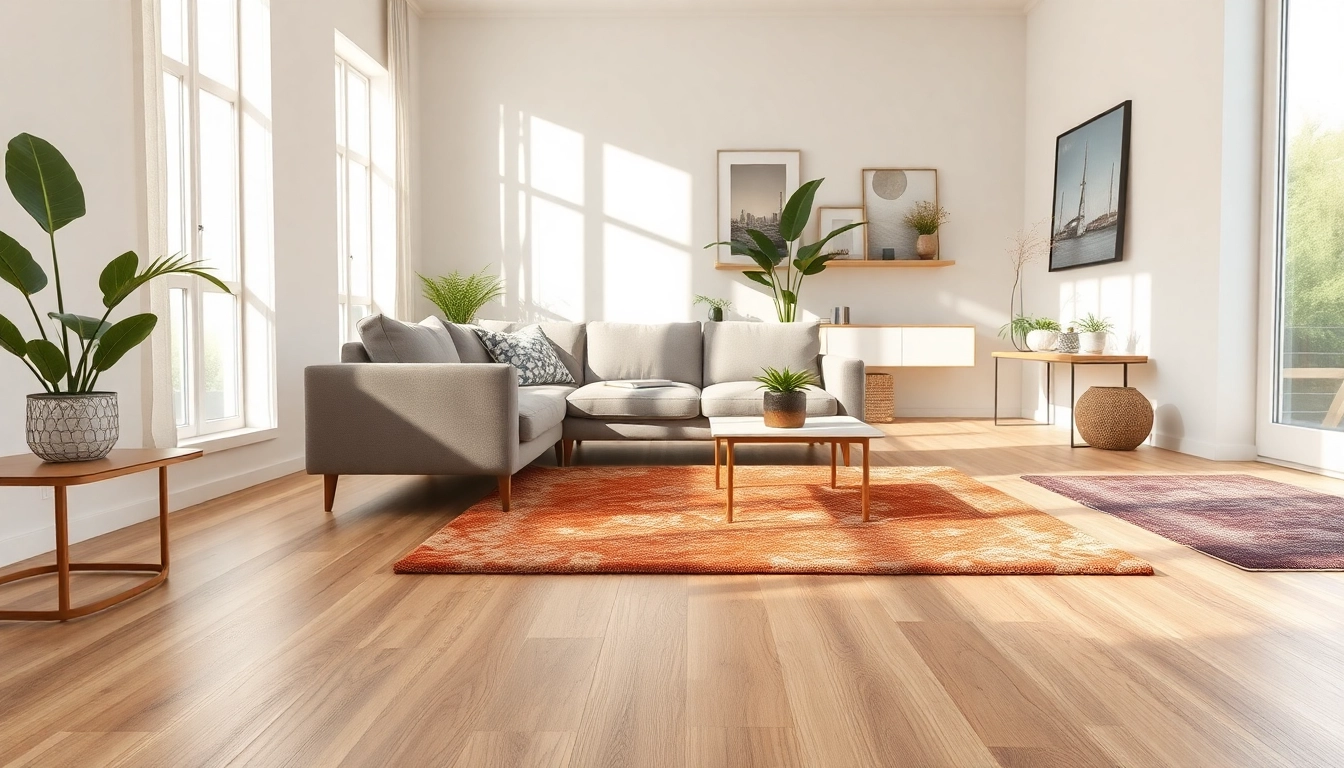
Understanding Vinyl Flooring
What is Vinyl Flooring?
Vinyl flooring is a resilient and versatile flooring option designed to mimic the appearance of natural materials like wood, stone, or tile while offering superior durability and ease of maintenance. Constructed of synthetic materials, including polyvinyl chloride (PVC), vinyl flooring is water-resistant and can withstand heavy foot traffic, making it suitable for both residential and commercial spaces. Its ability to combine aesthetic appeal with functionality has made it a popular choice among homeowners and business owners alike.
Types of Vinyl Flooring
Vinyl flooring comes in several forms, each suited to different applications and personal preferences. Here are the primary types:
- Vinyl Plank Flooring: Designed to resemble hardwood, vinyl plank flooring is available in various colors and textures. It provides a warm aesthetic with the added benefit of water resistance, making it ideal for kitchens and bathrooms.
- Vinyl Sheet Flooring: This type features a continuous sheet of vinyl, which makes it an excellent option for large areas without seams. It’s commonly used in commercial spaces due to its durability.
- Luxury Vinyl Tile (LVT): Combining the best features of both plank and sheet flooring, LVT offers intricate designs and textures, allowing users to achieve a high-end look with ease of installation, often featuring a click-lock mechanism.
Benefits of Vinyl Flooring
One of the primary reasons homeowners choose vinyl flooring is its extensive range of benefits:
- Durability: Vinyl is resistant to scratches, dents, and stains, ensuring your floor maintains its appearance over time.
- Water Resistance: Its synthetic composition makes vinyl flooring ideal for areas prone to moisture, such as kitchens and bathrooms.
- Easy Installation: Vinyl flooring can often be installed without professional help, especially with products that feature a self-adhesive or click-lock design.
- Comfort: Vinyl provides cushioning underfoot, making it more comfortable than harder flooring options like tile or hardwood.
- Cost-Effectiveness: Generally more affordable than hardwood or tile, vinyl flooring offers an economical choice without compromising style or functionality.
Choosing the Right Vinyl Flooring
Assessing Your Space
When selecting vinyl flooring, it’s essential to assess your space to determine the most suitable option. Consider factors such as foot traffic, the presence of moisture, and the room’s overall style. High-traffic areas like hallways and living rooms might benefit from the durability of vinyl plank flooring, while bathrooms and kitchens would do well with moisture-resistant options like vinyl sheet flooring.
Design and Color Considerations
Choosing the right design and color for your vinyl flooring can significantly influence the overall ambiance of a room. Here are some tips to consider:
- Room Size: Lighter colors can help small rooms feel larger and more open, while darker hues can create a cozy, intimate space.
- Style Matching: Match the flooring style with existing decor. If you have a contemporary aesthetic, sleek designs or patterns will work best, while rustic designs suit country-style homes.
- Texture and Finish: Opt for textures that add visual interest. High-gloss finishes can elevate elegance, whereas matte finishes often lend a more subdued elegance.
Quality Factors in Vinyl Flooring
Quality is paramount when choosing vinyl flooring. Look for features such as:
- Thickness: Thicker vinyl usually indicates higher quality and durability.
- Wear Layer: A top wear layer can protect your flooring from scratches and stains. A thicker wear layer is preferable for high-traffic areas.
- Backing Material: Vinyl with a robust backing increases stability and comfort underfoot.
Installation Process for Vinyl Flooring
Preparation and Tools Needed
Before installation, preparation is crucial to ensure a successful outcome. Here are necessary steps and tools:
- Tools Required: You will need a utility knife, straight edge, measuring tape, adhesive (if applicable), and a roller.
- Subfloor Preparation: Ensure the subfloor is clean, dry, and level. Remove any debris and repair any imperfections.
Step-by-Step Installation Guide
Follow these steps for a successful installation:
- Measure the area where you want to install the flooring and cut the vinyl accordingly.
- If you’re using adhesive, apply it evenly across the subfloor.
- Lay the vinyl in place, ensuring it fits snugly along walls and corners.
- Use a roller to press the vinyl down to ensure a secure bond.
- Trim any excess at the edges, and install baseboards or trim to finish the look.
Common Mistakes to Avoid
Avoid these pitfalls during installation:
- Skipping Subfloor Preparation: A clean and level surface is essential for a successful installation.
- Incorrect Measurements: Always double-check your measurements before cutting the vinyl.
- Neglecting Expansion Gaps: Leave appropriate gaps along the walls to allow for expansion and contraction.
Maintenance Tips for Longevity
Daily Cleaning Routines
To maintain the appearance and longevity of your vinyl flooring, adopt a simple daily cleaning routine:
- Sweep or vacuum regularly to remove dirt and debris that can scratch the surface.
- Wipe down spills immediately with a damp cloth to prevent stains.
Deep Cleaning Guidelines
Periodically, your floors may require deep cleaning:
- Use a mixture of warm water and a gentle cleaner specifically designed for vinyl flooring.
- Do not use harsh chemicals or abrasive cleaners that can damage the surface.
Repairing Damages Effectively
Repairing minor damages can extend the life of your floor:
- For scratches, use a vinyl repair kit that matches the floor’s color.
- If tiles become loose, reapply adhesive and press them back in place.
Vinyl Flooring Trends and Innovations
Eco-Friendly Vinyl Flooring Options
With growing environmental awareness, eco-friendly vinyl flooring options have gained popularity. Look for products made from recycled materials or those that boast low VOC emissions, ensuring a healthier indoor environment.
Customization and Design Trends
Today’s consumers value personalization. Customized vinyl flooring options allow for unique designs and tailored looks to fit individual styles and enhance interior décor. Patterns and vivid colors are increasingly being embraced to make bold style statements.
Cost-Effective Solutions for Modern Homes
As homes require efficient and cost-effective solutions, vinyl flooring continues to adapt. By offering affordable luxury, it meets the needs of modern homeowners while maintaining aesthetic value and durability. This trend positions vinyl flooring as a leading choice for those looking to blend style with budget considerations.
Frequently Asked Questions
How do I clean vinyl flooring?
Regularly sweep or vacuum to remove debris, and use a damp mop with a gentle cleaner for deeper cleans. Avoid abrasive materials that may scratch the surface.
Can I install vinyl flooring myself?
Yes, many vinyl flooring types, especially those with click-lock designs, are DIY-friendly and can be installed without professional help with proper preparation.
Is vinyl flooring water-resistant?
Yes, vinyl flooring is inherently water-resistant, making it perfect for moisture-prone areas like bathrooms and kitchens. However, it’s essential to address standing water promptly.
How long does vinyl flooring last?
When properly maintained, quality vinyl flooring can last 10 to 20 years, depending on the product and the level of foot traffic it experiences.
Can vinyl flooring be repaired?
Minor scratches can be repaired using a vinyl repair kit. Loose tiles can be re-glued, and specific types of vinyl flooring are also easy to replace.