Understanding Island Lighting Basics
What is Island Lighting?
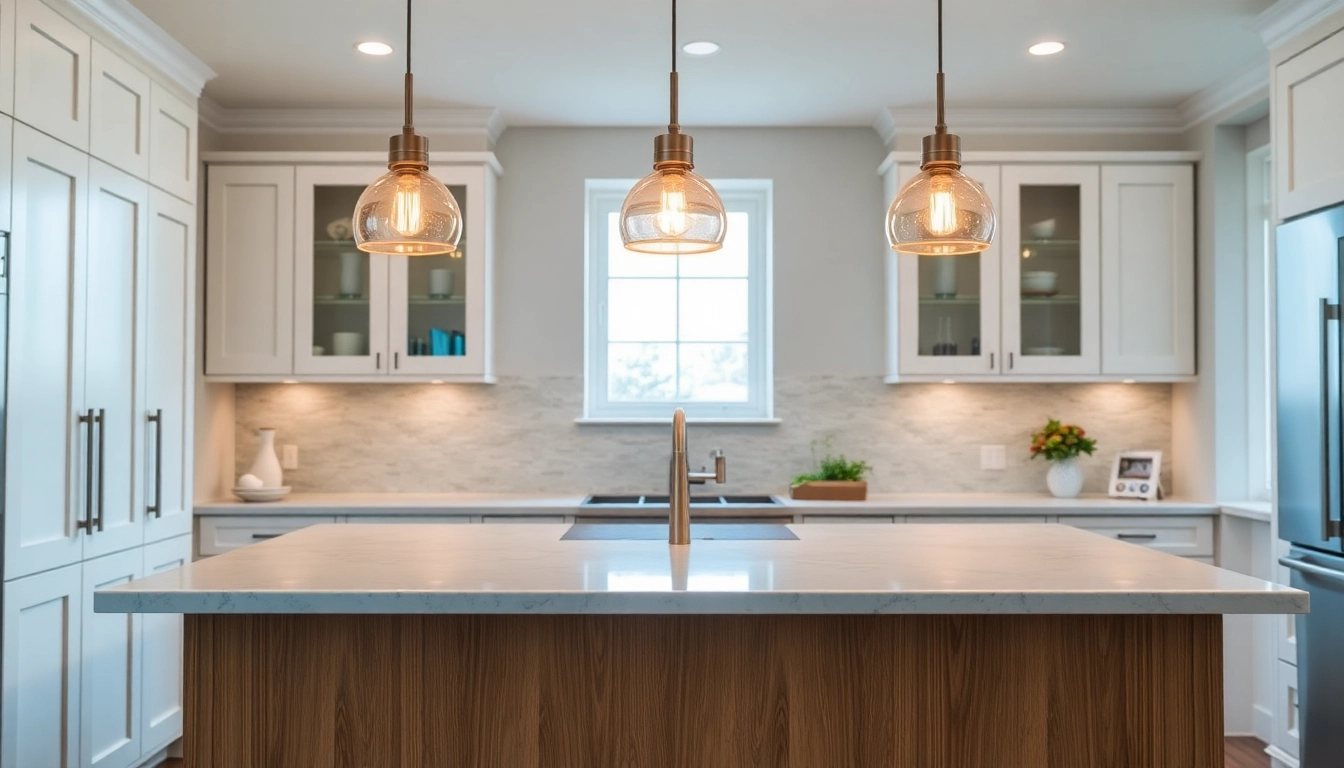
Island lighting refers to fixture designs specifically crafted for illuminating kitchen islands, dining areas, or any other sizable countertops. This specialized lighting not only serves a functional purpose but also enhances the aesthetic appeal of these spaces. Typically, island lighting features various styles, such as pendant lights, chandeliers, and recessed fixtures, all aimed at illuminating these focal areas effectively while providing ambient and task lighting.
Types of Island Lighting Fixtures
When considering island lighting, there are several popular fixture types to explore:
- Pendant Lights: A common choice, pendant lights hang from the ceiling and come in various styles, shapes, and sizes. They can be used as standalone features or in clusters.
- Chandeliers: More ornate and visually striking, chandelier-style lights add elegance and sophistication, making them ideal for larger spaces.
- Track Lighting: This flexible lighting system allows you to direct multiple light sources along a track, providing both spotlighting and general illumination.
- Recessed Lighting: For a more subtle and modern approach, recessed fixtures offer clean lines within the ceiling, providing ambient lighting without overpowering the room’s design.
Choosing the Right Style
When selecting island lighting, one must consider the existing decor style of the kitchen or dining area. Here are a few popular styles and how to integrate them:
- Modern: Look for sleek, simple designs with glass or metal finishes that complement the kitchen’s contemporary aesthetic.
- Rustic: Choose fixtures made of wood or wrought iron to evoke a warm, inviting atmosphere that aligns with a farmhouse or country style.
- Industrial: Opt for metal fixtures with exposed bulbs and a distressed finish, which work well in urban or loft-like spaces.
- Traditional: Classic monochromatic looks in oil-rubbed bronze or brushed nickel may suit more conventional kitchen designs.
Benefits of Proper Island Lighting
Enhancing Functionality
Island lighting plays a pivotal role in the functionality of kitchen spaces. Good lighting ensures safety when preparing food, performing kitchen tasks, and allows for gatherings around the island. Task lighting, such as pendant lights strategically positioned over a work surface, ensures that chefs can see what they are doing, reducing risks and increasing efficiency.
Creating Ambiance
The right island lighting can set the mood for your space. By combining different light sources—such as ambient, task, and accent lighting—you can create a layered look that enhances the atmosphere. Utilize dimmable fixtures to adjust brightness based on the time of day or occasion, whether it’s a family dinner or a festive gathering.
Increasing Home Value
Investing in quality island lighting can significantly boost the appeal of your home. A well-lit kitchen enhances the overall aesthetic, making it more attractive to potential buyers. Studies suggest that highlighting key features such as kitchen islands through quality lighting can increase perceived value, making the space appear larger, brighter, and more inviting.
How to Choose Island Lighting
Determining Size and Scale
One of the first considerations when selecting island lighting is size. A fixture that is too large can overwhelm a space, while one that is too small may fail to provide adequate illumination. A general guideline is to select a light fixture that is 1/2 to 2/3 the width of the island, ensuring a balanced look that complements the space without dominating it.
Selecting Appropriate Height
The height at which island lights are installed can impact both function and comfort. For optimal visibility, fixtures should typically hang 28 to 34 inches above the countertop. If using multiple pendants, ensure they are evenly spaced and aligned at the same height for a cohesive look.
Combining Styles and Fixtures
Mixing different types of island lighting fixtures can create visual interest and balance within a space. For example, combining pendant lights with recessed lighting can achieve a practical yet stylish combination. Ensure the styles complement each other in terms of color, material, and design aesthetic to maintain harmony in the overall decor.
Installation and Maintenance Tips
Professional Installation vs. DIY
While some homeowners may opt for a DIY approach to install their island lighting, it is vital to consider the complexity of the project. If electrical work is involved, it is recommended to hire a professional electrician. This not only ensures safety but also adherence to local building codes. For non-wiring tasks, such as hanging fixtures or changing bulbs, many homeowners can successfully manage these on their own.
Routine Maintenance Practices
Regular maintenance of lighting fixtures is crucial for longevity and performance. Routine cleaning, checking for loose connections, and promptly replacing burnt-out bulbs can ensure that your island lighting continues to function optimally. Dusting the fixtures at least once a month helps keep them looking new and operating efficiently.
Troubleshooting Common Issues
If you encounter flickering lights, it may indicate a loose bulb or connection. Check these first before considering more complex electrical issues. For issues with dimming effects or uneven light distribution, ensure you have compatible dimmable bulbs and that they are suitable for your fixtures.
Frequently Asked Questions
What is the best height for island lighting?
For optimum visibility, island lighting should typically hang 28-34 inches above the countertop.
How do I choose the right style for my kitchen?
Choose a style that complements your kitchen design, such as modern, rustic, or industrial.
Can I mix different types of lighting?
Yes, mixing pendant lights with recessed lighting can create a well-balanced illumination.
What wattage is suitable for island lighting?
Using LED bulbs between 40-60 watts is common for island lighting, providing adequate brightness.
How do I clean and maintain my fixtures?
Regularly dust your fixtures and check for loose connections or burnt-out bulbs to ensure safety.