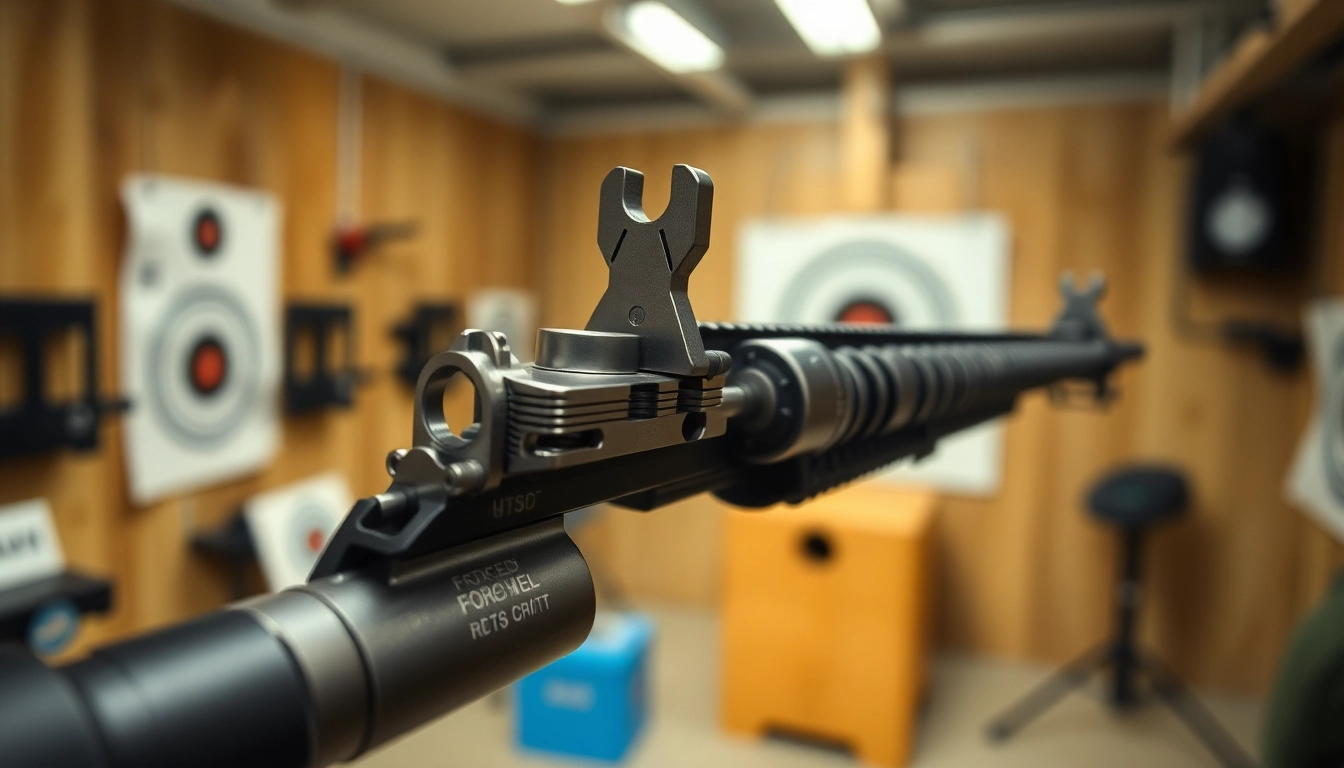
Introduction to the Forced Reset Trigger
In the evolving landscape of firearm technology, the Forced reset trigger (FRT) stands out as an exciting innovation. Designed to enhance the firing mechanism of semi-automatic firearms, FRTs are engineered to allow shooters to achieve higher rates of fire without crossing the line into fully automatic firearm classification. This article explores the mechanics, benefits, legal considerations, installation processes, and maintenance tips of forced reset triggers, providing a comprehensive resource for enthusiasts and professionals alike.
What Is a Forced Reset Trigger?
A forced reset trigger is a type of firearm trigger that operates on a unique mechanical principle. Unlike traditional triggers, which require the shooter to manually reset the trigger after each shot, an FRT resets automatically. This innovation relies on the firearm's cycling action to push the trigger forward after it has been pulled, preparing it for the next shot without requiring an additional manual pull. The result is a significant increase in the shooter’s capability to fire rapidly without sacrificing accuracy or control.
How Does It Function?
The operational mechanics of a forced reset trigger center around a clever design that integrates with the firearm’s bolt and firing mechanism. Upon firing a round, the energy generated from the firearm's cycling action pushes the trigger back into a forward position. This rapid reset means that the shooter can maintain a consistent pulling motion, leading to a flow of fire that feels almost automatic while still requiring an active input from the shooter. Additionally, this mechanism ensures compliance with current firearms regulations, as the trigger must still be pulled for each round fired, preventing the device from being classified as a machine gun.
Legal Status Overview
The legal status of forced reset triggers can vary significantly across different jurisdictions. As of now, federal law does not classify FRTs as machine guns, and they remain legal to own and purchase in many states. However, some states have their own laws that may prohibit or regulate the sale and use of FRTs. It’s important for potential users to familiarize themselves with local laws and regulations to ensure compliance. Engaging with legal experts or resources can provide clarity on this evolving topic.
Benefits of Using a Forced Reset Trigger
Improved Shooting Speed
One of the most notable advantages of forced reset triggers is the increase in shooting speed they offer. By eliminating the need for a shooter to manually reset the trigger after each shot, FRTs allow for quicker follow-up shots. This enhanced speed can be crucial in competitive shooting scenarios, self-defense situations, or tactical environments, where every fraction of a second counts.
Enhanced Control and Accuracy
Besides speed, FRTs also contribute to improved control and accuracy. The unique design of these triggers encourages shooters to maintain a consistent finger position, which can lead to better shot placement. The mechanical reset allows for a smoother and more controlled shooting experience, resulting in more accurate groupings over time.
Reduced Fatigue During Extended Use
Another benefit of using a forced reset trigger is its ability to reduce shooter fatigue during extended sessions. Traditional trigger systems can place a strain on the shooter's finger, particularly during rapid fire. However, the human factor is minimized with a forced reset trigger, as the mechanical reset mechanism does some of the heavy lifting. This can significantly enhance the shooting experience, particularly during long training sessions or competitive events.
Installation and Setup of the Forced Reset Trigger
Required Tools and Equipment
Successfully installing a forced reset trigger requires specific tools and equipment to ensure a safe and effective setup. Essentials for installation typically include a punch set, a hammer, a screwdriver, and possibly a pair of pliers. Depending on the specific FRT model, additional tools such as a torque wrench may also be necessary. It’s imperative to have the appropriate tools on hand to avoid damaging the trigger mechanism or the firearm itself during installation.
Step-by-Step Installation Guide
The installation of a forced reset trigger can be achieved by following these general steps:
- Ensure the firearm is unloaded and safe to work on.
- Disassemble the lower receiver by removing the appropriate pins and separating the upper and lower assemblies.
- Remove the existing trigger components from the lower receiver.
- Insert the new forced reset trigger according to the manufacturer’s instructions, ensuring all components are correctly aligned.
- Reassemble the lower receiver and reattach it to the upper assembly.
- Perform a function check to ensure everything operates correctly before live firing.
It is always recommended to consult the specific installation guide provided by the FRT manufacturer, as designs can vary slightly.
Common Installation Mistakes to Avoid
Even seasoned firearms enthusiasts can make mistakes during installation. Some common errors include:
- Forgetting to Check Alignment: Always ensure that the trigger and hammer are correctly aligned to avoid malfunction.
- Not Following Manufacturer Guidelines: Each FRT may have specific instructions. Ignoring these can lead to improper function.
- Inadequate Testing: Skipping the function check after installation can be dangerous. Always confirm that the trigger operates smoothly before use.
Maintenance Tips for Your Forced Reset Trigger
Regular Inspection and Cleaning
To ensure optimal performance and longevity of the forced reset trigger, regular inspection and cleaning are essential. Shooters should examine the trigger for signs of wear, rust, or damage periodically. Cleaning should be performed according to the manufacturer's guidelines, typically involving the use of appropriate solvents and brushes to remove debris and fouling.
Identifying Wear and Tear
Identification of wear and tear is crucial for maintaining functionality. Look for uneven wear on contact surfaces, discoloration, or any stiffness in movement. These signs may indicate that the trigger requires servicing or replacement. Frequent monitoring can prevent failures during critical use.
When to Seek Professional Help
If any issues arise during inspection or if the trigger does not perform as expected, it is wise to seek professional assistance. Certified gunsmiths can provide expert insight and repair services. Additionally, if installing the trigger poses challenges, enlisting a professional's help ensures safety and reliability.
Comparing Forced Reset Triggers with Other Trigger Systems
Forced Reset Trigger vs Binary Trigger
The forced reset trigger and binary trigger systems both aim to enhance firing speed but function differently. A binary trigger allows for firing on both pull and release of the trigger, enabling rapid fire at both stages. While this offers speed advantages, it diverges into a different legal classification. In contrast, the forced reset trigger maintains a single-shot handling while utilizing the firearm's mechanics to reset.
Pros and Cons of Each System
Pros of Forced Reset Triggers:
- Legally compliant with current firearm regulations.
- Fast reset enhances shooting speed.
- Improves accuracy through controlled shooting.
Cons of Forced Reset Triggers:
- Requires additional installation and maintenance knowledge.
- Can be more expensive than traditional triggers.
Pros of Binary Triggers:
- Allows a two-shot capability with minimal finger movement.
- Fast firing potential may appeal to competitive shooters.
Cons of Binary Triggers:
- More complex and may draw more legal scrutiny.
- Requires re-training compared to traditional shooting methods.
Choosing the Right Trigger for Your Needs
When deciding between a forced reset trigger and a binary trigger, consider your shooting style, legal position in your jurisdiction, and comfort level with installation and maintenance. Environmental factors like whether you are in a competition or using the firearm for self-defense should also influence your choice.
Frequently Asked Questions
1. Is a forced reset trigger legal?
Currently, forced reset triggers are legal federally, as they are not classified as machine guns. However, state laws may vary greatly. It's essential to check local regulations before purchasing.
2. Can I install a forced reset trigger myself?
Yes, you can install a forced reset trigger yourself if you have the necessary tools and mechanical knowledge. However, following the manufacturer's instructions closely is crucial to ensure proper setup and safety.
3. What firearms are compatible with forced reset triggers?
Forced reset triggers are typically designed for specific platforms, like AR-15 rifles. Always check compatibility with your firearm before purchasing a trigger.
4. How do I maintain my forced reset trigger?
Regularly inspect and clean your forced reset trigger to avoid malfunctions. Look for wear on the components and follow manufacturer cleaning guidelines for optimal performance.
5. What should I do if my forced reset trigger malfunctions?
If your forced reset trigger malfunctions or does not reset properly, immediately stop using it and seek assistance from a qualified gunsmith to ensure safety and reliability.