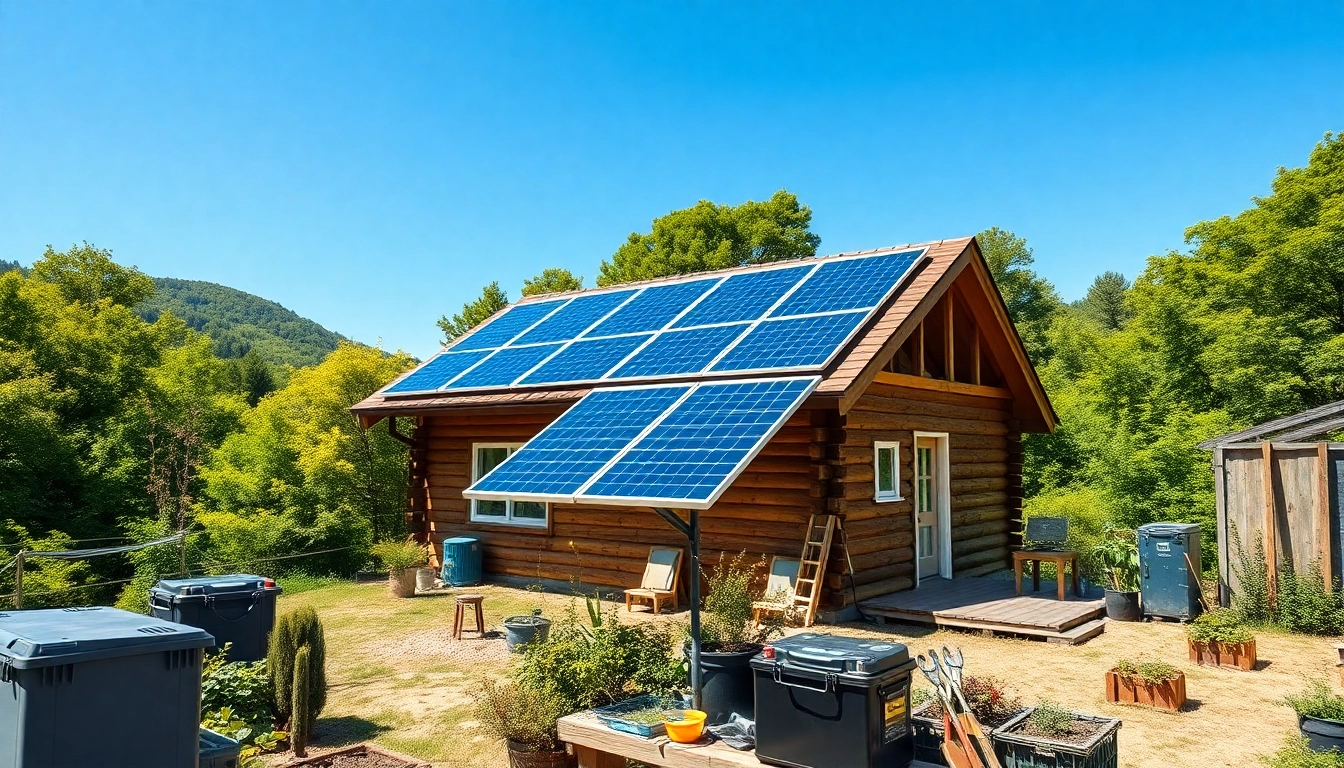
Understanding Off Grid Solar Systems
What is an Off Grid Solar System?
An off grid solar system is a solar energy solution designed to operate independently from the utility grid. This type of system harnesses the sun's energy, converts it into usable electricity, and stores it for use during times when solar production is low, such as at night or during cloudy weather. Off grid systems are ideal for remote locations where traditional electricity is not available or for those seeking to minimize reliance on fossil fuels.
These systems are comprised of solar panels, a battery storage unit, an inverter, and charge controllers, and can be scaled to meet different energy needs. They empower users to produce their own electricity sustainably, enhancing energy independence and security.
Benefits of Using Off Grid Solar Energy
The advantages of off grid solar energy systems extend beyond mere energy savings. Here are several key benefits:
- Energy Independence: Off grid solar systems allow homeowners to generate their own electricity, reducing reliance on traditional power sources and protecting against rising energy costs.
- Environmental Impact: Solar energy eliminates carbon emissions that contribute to climate change, making off grid systems an environmentally friendly choice.
- Low Maintenance Costs: Once installed, solar systems require minimal maintenance. This makes them a cost-effective option over the long term.
- Resilience in Emergencies: Off grid systems provide electricity during power outages caused by disasters, ensuring users have consistent access to power.
- Increased Property Value: Homes equipped with solar energy systems often see an increase in market value, as many buyers prioritize sustainable features.
Key Components of an Off Grid Solar System
Understanding the key components of an off grid solar system is crucial for effective operation and efficiency. The primary components include:
- Solar Panels: These convert sunlight into electricity. The number and type of solar panels needed depend on the energy requirements of the household.
- Batteries: Battery storage is essential for storing excess energy produced during sunny days for later use at night or during cloudy weather. Common types include lead-acid and lithium-ion batteries.
- Inverter: This component converts direct current (DC) from the solar panels and batteries into alternating current (AC), which is the form of electricity typically used in homes.
- Charge Controller: A charge controller regulates the voltage and current coming from the solar panels to the batteries, preventing overcharging and prolonging battery life.
Choosing the Right Off Grid Solar System
Assessing Your Energy Needs
Determining your energy needs is a critical first step in selecting an appropriate off grid solar system. Start by evaluating your average daily energy consumption in kilowatt-hours (kWh). Consider all electrical devices, appliances, and systems, including lighting, heating, cooling, and electronics. Creating an energy audit allows you to identify which appliances are essential and how much power they consume.
Tools like energy monitors can help track and assess your energy usage over time, providing a clearer picture of your needs. Additionally, consider seasonal variations in energy use; for example, heating systems may demand more energy in winter months, whereas cooling systems will do so in the summer.
Selecting Solar Panels and Batteries
With your energy needs assessed, it's time to choose the right solar panels and batteries. Solar panels vary in efficiency, size, and type—primarily monocrystalline, polycrystalline, and thin-film. Monocrystalline panels are more efficient and have a smaller footprint, but come at a higher cost. Polycrystalline panels are slightly less efficient but more affordable, while thin-film panels offer flexibility and lower weight but generally have the lowest efficiency.
When selecting batteries, consider their capacity (measured in ampere-hours) and type. Lithium-ion batteries have a longer lifespan and higher depth of discharge compared to traditional lead-acid batteries, which are often cheaper but require more frequent replacement. In addition, ensure the chosen batteries can handle the energy load and have a compatibility interface with your solar panels and inverter.
Understanding Inverters and Charge Controllers
The inverter is a pivotal component of an off grid solar system, as it enables the use of standard household appliances. When selecting an inverter, consider whether you need a pure sine wave inverter (best for sensitive electronics) or a modified sine wave inverter (suitable for basic appliances). The inverter's capacity should also meet your peak power requirements, which can be determined from your energy audit.
Charge controllers are essential for maximizing battery efficiency and lifespan. They come in two types: PWM (Pulse Width Modulation), which is less expensive and suitable for smaller systems, and MPPT (Maximum Power Point Tracking), which optimally converts energy and is better for larger systems. Understanding your energy needs and how your system's components interact is key to selecting the right inverter and charge controller.
Installation Considerations for Solar Systems
Preparing Your Site for Installation
Before installation, an in-depth site assessment is necessary. Evaluate the location for optimal sunlight exposure throughout the year, factoring in potential shade from trees, buildings, or other obstructions. South-facing rooftops or open grounds with minimal shading are typically ideal. Assess the structural integrity of buildings if installing on a roof, ensuring they can support the weight of the panels.
It’s also wise to consider local zoning regulations and homeowners association (HOA) guidelines. These may affect your solar installation's placement, height, and aesthetic compliance. Securing necessary permits is imperative to ensure full legal compliance before installation begins.
DIY vs. Professional Installation
While many homeowners opt for DIY installation to save costs, it can present challenges that necessitate expertise in electrical systems and safety protocols. Additionally, improper installation may void warranties or lead to system inefficiencies. Weigh the pros and cons carefully—DIY offers savings but carries risk.
Hiring a professional ensures that the installation is performed according to local codes and manufacturer specifications, potentially enhancing system performance. Certified installers will also provide valuable expertise in optimizing panel placement and overall system design tailored to your energy needs.
Common Installation Mistakes to Avoid
To maximize the effectiveness of your off grid solar system, avoid these common pitfalls:
- Ignoring Roof Condition: Failing to inspect the roof before installation can lead to leaks or damaged panels.
- Insufficient Energy Assessment: Not adequately assessing energy needs can result in undersized systems unable to power essential appliances.
- Improper Mounting: Ensure secure mounting to withstand environmental factors like wind and snow loads, preventing future system failures.
- Neglecting Local Regulations: Not adhering to local codes or HOA guidelines can lead to fines or mandated removal of the system.
- Overcomplicating the System: Avoid unnecessary components that complicate maintenance and drive up costs without improving efficiency.
Maintenance and Performance Monitoring
Routine Maintenance Tips for Longevity
Regular maintenance is vital to ensuring the longevity and efficiency of your off grid solar system. Here are some essential maintenance tips:
- Cleaning Panels: Dust, leaves, and debris can obstruct sunlight absorption. Clean panels in the early morning or late afternoon when they are cool to the touch.
- Inspect Wiring and Connections: Routinely check for signs of wear or damage in wiring and connections, as these can affect performance and safety.
- Battery Maintenance: For lead-acid batteries, ensure water levels are maintained. Inspect for corrosion on terminals and clean them accordingly.
- Monitoring System Performance: Keep an eye on system metrics like voltage, current, and energy production. A drop in performance may indicate a need for maintenance or repairs.
How to Monitor Solar System Performance
Monitoring the performance of your off grid solar system can be accomplished through various means. Many modern inverters come equipped with built-in monitoring functionality, allowing homeowners to track energy production and consumption through mobile apps.
Alternatively, third-party monitoring systems are available that connect to your solar system and provide detailed insights regarding your energy usage patterns, energy production efficiency, and diagnostics for maintenance issues. Regularly reviewing this data will help you optimize energy consumption and detect performance issues early.
When to Seek Professional Help
While routine maintenance can often be managed by homeowners, certain issues warrant professional assistance. If extensive repairs involving wiring or the inverter are required, or if battery performance declines significantly, it’s essential to consult with a certified technician. Additionally, if monitoring systems indicate substantial discrepancies in performance, professional diagnostics can help identify underlying issues that may not be immediately apparent.
Cost Analysis and Financial Incentives
Estimating the Costs of Off Grid Solar Systems
Estimating the total cost of an off grid solar system involves accounting for several components, including solar panels, batteries, inverters, charge controllers, and installation costs. On average, the total installation cost for an off grid solar system can range widely, from $10,000 to $30,000 or more, depending on system size, equipment choices, and installation complexities.
It’s critical to perform a comprehensive cost analysis that incorporates installation, equipment, ongoing maintenance, and potential upgrades over the system's lifespan. Including estimates for any additional infrastructure, such as wiring or mounting equipment, will provide a complete financial picture.
Exploring Financial Incentives and Tax Credits
Various financial incentives are available to offset the costs associated with off grid solar systems. In many countries, government programs offer tax credits, rebates, or grants for solar installations. These incentives can significantly reduce the initial investment required, making solar energy more accessible to homeowners.
For instance, in the United States, the federal solar tax credit allows homeowners to deduct a percentage of the installation costs from their federal taxes. Local and state programs may exist as well, offering further rebates. Researching available incentives in your area can identify opportunities to enhance the affordability of your solar project.
Long-term Savings and Return on Investment
The long-term savings associated with off grid solar systems can be substantial, particularly when considering the rising costs of electricity and volatile energy markets. Homeowners can save on monthly electricity bills, and with the right system sizing, they may eliminate electricity costs altogether.
Additionally, calculating the potential return on investment (ROI) is vital for understanding the financial benefits of an off grid solar system. Consider the initial investment, expected lifespan of the system, maintenance costs, and savings on electricity bills to evaluate ROI accurately. On average, homeowners can expect to see a ROI within 5 to 15 years, depending on local energy costs and available incentives. This makes off grid solar systems not only a sustainable choice but also a financially sound one.