Introduction to Stamping Dies
In the world of manufacturing, precision is the key to success, and one of the core elements that facilitate this precision is the Stamping Die. Stamping dies are essential tools utilized in the metalworking process to shape and cut materials into specific forms. Whether you are producing components for the automotive industry, electronics, or consumer goods, understanding stamping dies is vital for achieving high-quality outputs.
What Are Stamping Dies?
Stamping dies are specialized tools that assist in cutting or shaping material, typically metal. They consist of a male and female part, where the male part presses down on the female part to create the desired shape. Often used in high-volume production processes, these dies can manufacture complex shapes with remarkable accuracy. Their design and manufacturing are critical as any imperfection can lead to defective parts that not only compromise quality but also incur significant costs to rectify.
The Importance of Precision in Die Making
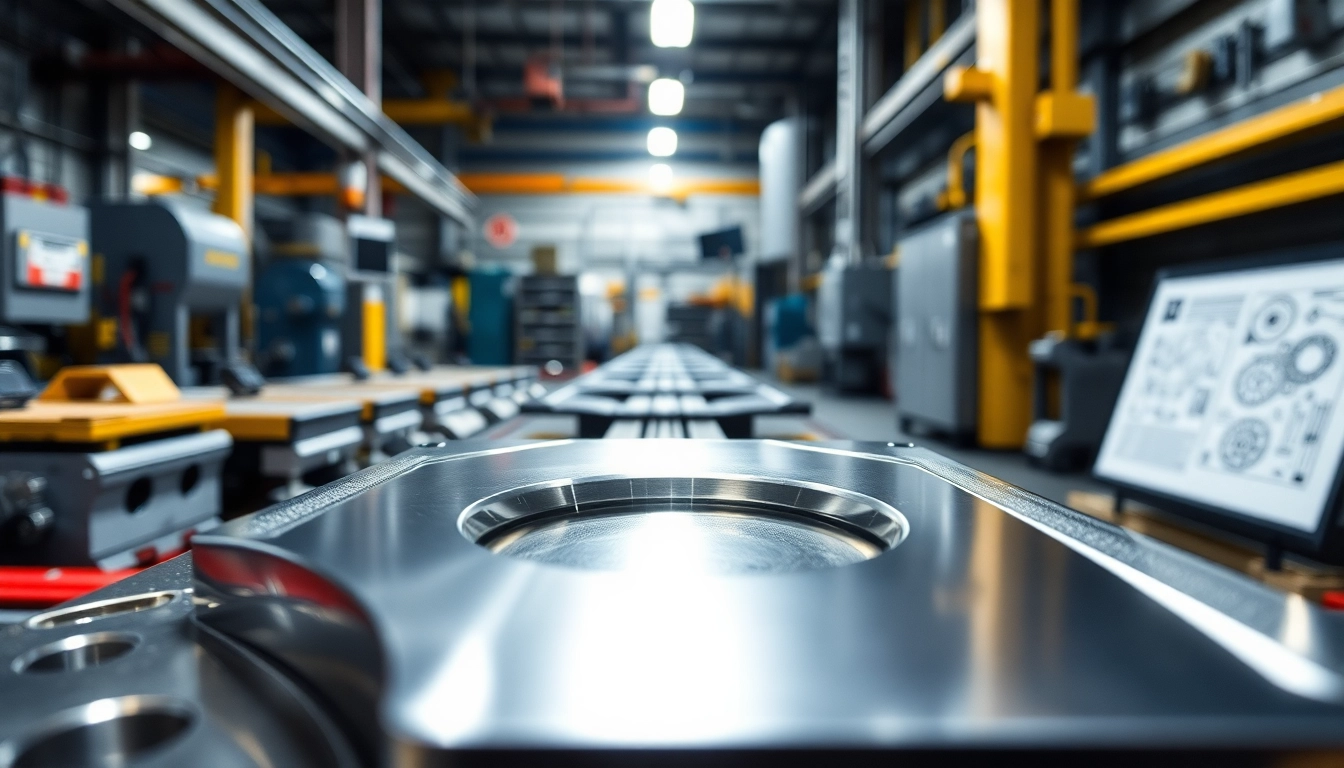
Precision in die making is not just a technical requirement; it’s a cornerstone of competitive manufacturing. If dies are inaccurately constructed, it can lead to part faults, inconsistent finishes, and inefficiencies that ripple through the supply chain. To ensure precision, manufacturers rely on advanced technologies such as CNC machining and CAD/CAM software, which aid in creating dies that meet exact specifications. Thus, understanding the importance of precision becomes paramount for companies that prioritize quality and performance.
Common Applications of Stamping Dies
Stamping dies are used across various industries due to their versatility and effectiveness. Some of the common applications include:
- Automotive Components: Stamping dies are widely used for producing body panels, brackets, and other essential automotive parts.
- Consumer Electronics: Many electronic housings and internal components are manufactured using stamping dies for precision and consistency.
- Appliances: Stamped parts are found in both large appliances like refrigerators and smaller units such as mixers.
- Medical Devices: Stamping technology ensures the accuracy required for components in devices ranging from surgical instruments to imaging equipment.
Types of Stamping Dies
Progressive Stamping Dies Explained
Progressive stamping dies are a type of die that allows for multiple operations to be performed in a single cycle. As material is fed through the stamping press, it moves through several stations where different operations are completed sequentially. This approach significantly enhances efficiency, as multiple parts can be produced simultaneously and with greater consistency. Progressive dies are particularly favored in high-volume production where speed and accuracy are crucial.
Blanking and Piercing Dies Overview
Blanking and piercing dies serve specific functions in the stamping process. Blanking refers to cutting out a specific shape from a larger piece of material, while piercing involves creating holes or cut-outs in a sheet of metal. These processes are fundamental in the creation of various components, and having dies that can perform these tasks accurately is vital for the overall quality of the finished product. The key distinction lies in the application: blanking results in a completed part, while piercing prepares the material for further processing.
Compound Stamping Dies Characteristics
Compound stamping dies enable multiple operations—such as blanking and piercing—to be performed in one movement. This means that manufacturers can achieve greater efficiency while minimizing the number of production steps. Compound dies are particularly useful for complex parts where the integration of processes can lead to lower production time and reduced handling of materials, which ultimately enhances productivity.
Key Factors in Designing Stamping Dies
Material Selection for Durability
Choosing the right material for stamping dies is critical for their durability and performance. High carbon steels, tool steels, and even carbide materials are commonly used, depending on the type of stamping and the volume of production. The chosen material should withstand considerable stress and wear over time while maintaining its cutting edge. Manufacturers need to assess factors such as tensile strength, toughness, and thermal resistance to make informed material choices.
Design Software and Techniques
The advent of sophisticated design software has dramatically changed how dies are conceptualized and produced. Software such as AutoCAD, SolidWorks, and other CAD systems allow engineers to build 3D models and simulations, resulting in highly optimized die designs. Additionally, employing Finite Element Analysis (FEA) can help predict how die designs will behave under operational stresses, allowing for improvements before physical production starts.
Prototyping and Testing Procedures
Prototyping is a crucial aspect of die development. Creating a prototype die allows manufacturers to evaluate the design before full-scale production begins. Testing procedures often involve trial runs to assess the prototype's performance, identify any flaws, and make necessary adjustments. This iterative process not only saves time and resources but also enhances product quality, ensuring that the final die meets the rigorous standards required for production.
Best Practices for Stamping Die Maintenance
Regular Inspection and Upkeep
Maintaining stamping dies through regular inspections is essential for ensuring longevity and consistent performance. This can include checking for signs of wear or damage, ensuring that all components align correctly, and verifying operational smoothness. Developing a schedule for routine inspections can help to catch problems early on, preventing costly downtime in the production process.
Common Repair Techniques
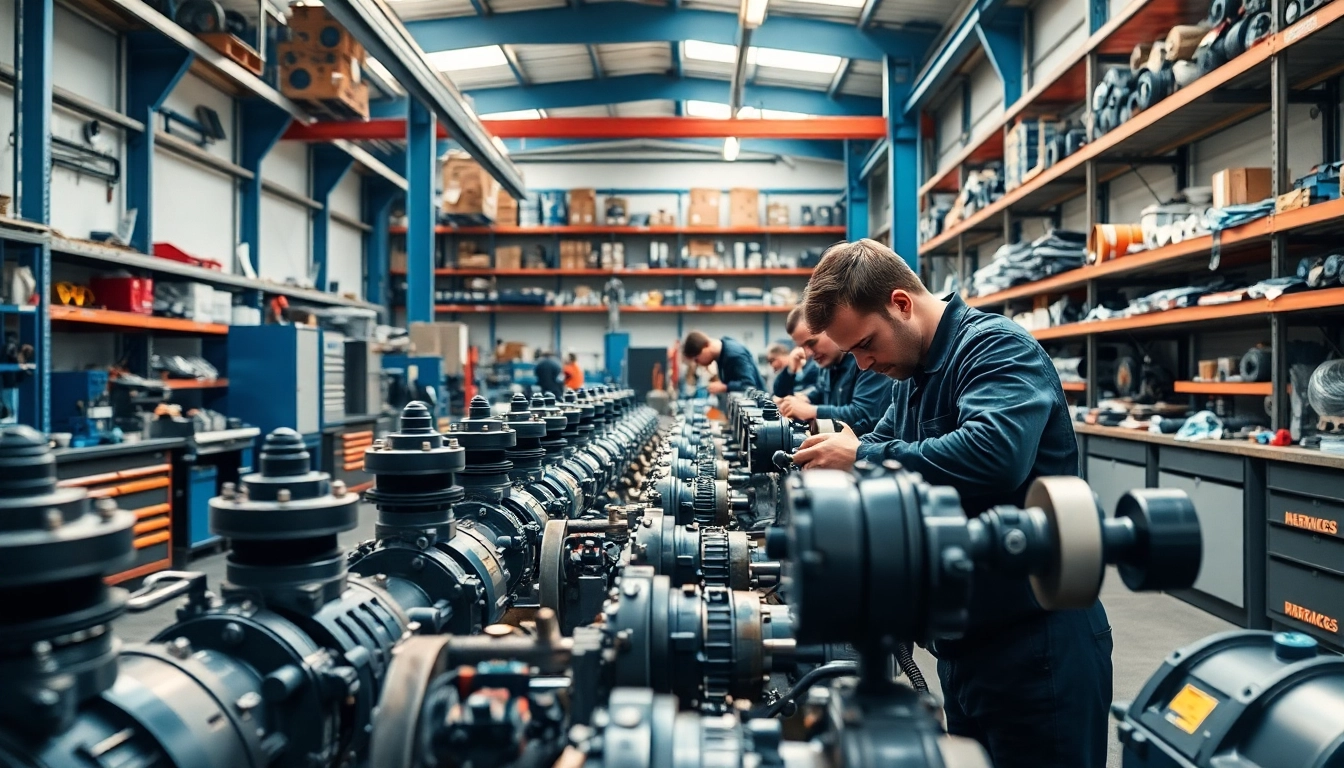
When issues are identified, various repair techniques can be employed. Techniques such as welding, grinding, and polishing are common methods to restore the precision of worn dies. Additionally, skilled technicians can often rebuild or replace specific components within a die to extend its useful life. Proper training and knowledge about these repair techniques are crucial for minimizing downtime and maintaining production quality.
How to Extend Die Lifespan
To prolong the lifespan of stamping dies, manufacturers should focus on proper care and use, including adhering to the specified operational parameters. Utilizing protective coatings can also mitigate wear and corrosion, enhancing durability. Furthermore, educating operators on effective die handling procedures plays a significant role in preventing damage and extends the die's operational life.
Future of Stamping Die Technology
Innovations in Die Manufacturing
The stamping die manufacturing industry is evolving, with innovations such as additive manufacturing and advanced material processing techniques emerging. 3D printing technology allows for creating complex die geometries that were previously unattainable with traditional methods. Such advancements not only enhance the capability of dies but also reduce material waste and associated costs.
Impact of Automation and AI
Automation is transforming die manufacturing processes by increasing efficiency and reducing the risk of human error. With the implementation of AI-driven technologies, companies can leverage data to predict maintenance needs, optimize production schedules, and enhance quality control. This leads to a more streamlined operation and has the potential to significantly increase profitability while maintaining high standards of product integrity.
Trends to Watch in Precision Engineering
The future of precision engineering, including stamping die manufacturing, will likely be influenced by several key trends: sustainability, as manufacturers seek to reduce their environmental footprint; customization, as the demand for tailored products grows; and the integration of digital technology, which will continue to push boundaries in design and manufacturing efficiency. Staying ahead of these trends will be crucial for industry leaders aiming to maintain their competitiveness in the global landscape.