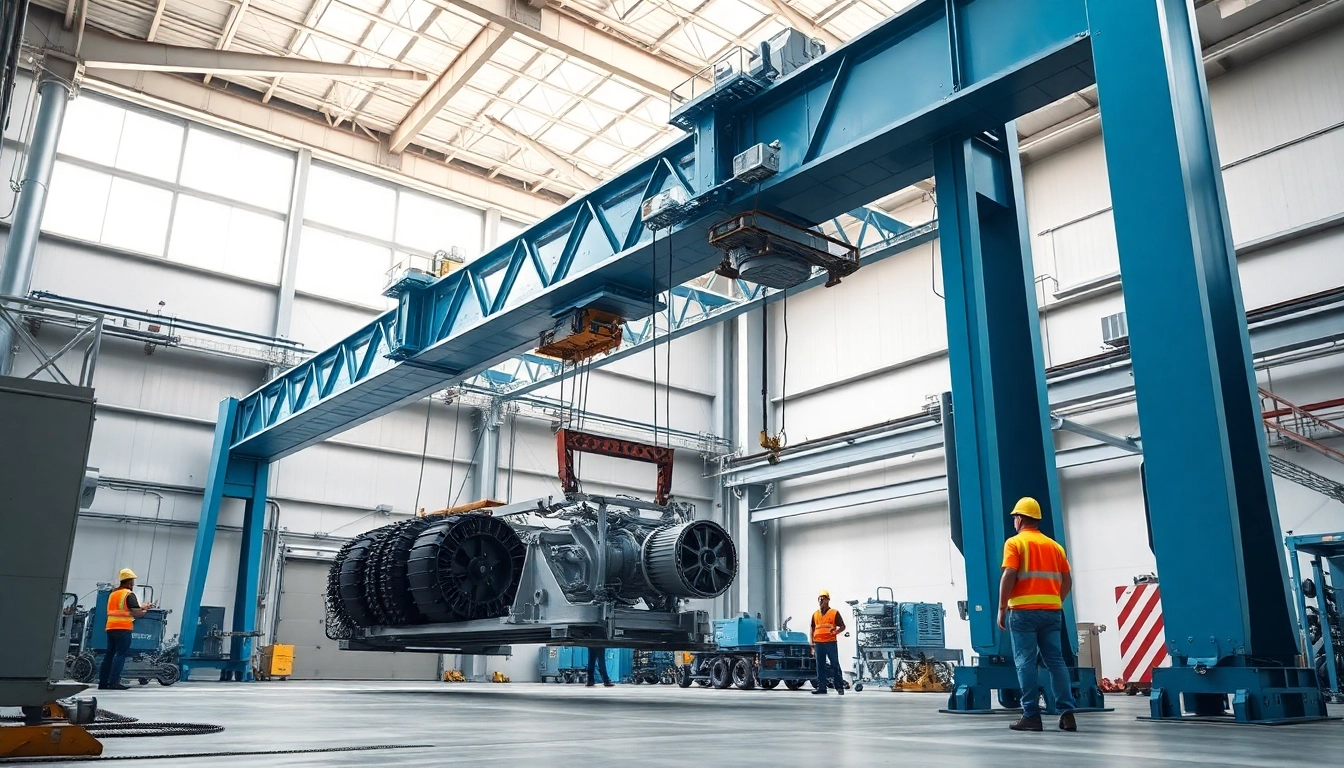
Understanding Bridge Cranes: Essential Components and Functionality
In the world of industrial operations, a bridge crane is a pivotal tool for facilitating the movement of materials across workspaces. These cranes are not just heavy lifting machines; they are sophisticated pieces of equipment designed to enhance operational efficiency and ensure safety in various settings. Understanding the anatomy and functionality of bridge cranes can help businesses optimize their material-handling processes. When exploring options, bridge crane systems offer diverse capabilities that can be tailored to specific operational needs.
The Anatomy of a Bridge Crane
A bridge crane typically consists of several key components: the bridge, runways, hoist, and control system. The bridge is the main beam that spans the width of the workspace, allowing the crane to move loads horizontally. The runways are parallel rails mounted to the building structure, which the bridge travels along. The hoist is the mechanism that lifts and lowers the load, and can be electric or manual, depending on the crane's design and the application's requirements. Finally, the control system includes the operator's interface, which can range from simple pendant controls to advanced wireless operation, providing flexibility and ease of use.
How Bridge Cranes Operate: Mechanisms Explained
The operation of a bridge crane is both straightforward and intricate, combining mechanical and electronic systems. The primary mechanism involves the bridge moving along the runways, facilitating load movement across the workspace. The hoist, attached to the bridge, can vertically lift and lower loads using a system of pulleys and cables. Depending on the model, bridge cranes can also come equipped with sensors and smart technology that enhance operational safety and efficiency. Such mechanisms are vital in preventing accidents and ensuring that the crane performs optimally in high-demand environments.
Applications Across Various Industries
Bridge cranes find applications in a multitude of sectors, ranging from manufacturing to construction and logistics. In manufacturing, they are used to move heavy components and materials fluidly between assembly lines. In the construction industry, bridge cranes assist in lifting and placing large materials onto structures, streamlining workflows. The logistics sector utilizes bridge cranes in warehouses to improve the efficiency of sorting and delivering goods. Their versatility and robust design enable them to handle different loads and adapt to various operational environments.
Key Benefits of Implementing Bridge Cranes in Your Operation
Increased Efficiency and Productivity
One of the most significant advantages of employing bridge cranes is the boost in operational efficiency they provide. By facilitating the smooth transfer of materials, bridge cranes significantly reduce the time and labor required for manual handling. This efficiency translates into higher productivity levels, as employees can focus on other essential tasks without the continuous hindrance of moving heavy items. When integrated effectively, bridge cranes help streamline processes, ultimately leading to improved workflow.
Enhanced Safety Features and Compliance
Safety is a paramount concern in any industrial setting, and bridge cranes are engineered with various safety features to mitigate risks. Many modern bridge cranes are equipped with overload sensors, emergency stop systems, and advanced braking mechanisms. These features not only protect the equipment but also ensure the safety of the operators and other workers in proximity to the crane. In addition, compliance with OSHA and other safety standards is crucial, and utilizing these cranes enables businesses to adhere to necessary regulations, reducing liability and enhancing workplace safety.
Cost-Effective Solutions for Material Handling
Investing in a bridge crane may seem daunting due to initial costs; however, their long-term benefits often outweigh financial concerns. Bridge cranes offer a high return on investment by minimizing labor costs, enhancing productivity, and extending the lifespan of equipment through superior handling capabilities. Furthermore, they reduce the likelihood of workplace injuries, which can lead to costly downtime and insurance claims. By implementing bridge cranes, businesses position themselves for operational success while managing costs effectively.
Choosing the Right Bridge Crane for Your Needs
Assessing Load Capacity and Span Requirements
When selecting a bridge crane, it's vital to assess the specific requirements of your operation, particularly regarding load capacity and span. Load capacity refers to the maximum weight the crane can handle safely, which varies significantly among different models. Span requirements deal with the distance between the runways, directly impacting how much area the crane can cover. Understanding these specifications ensures you choose a crane that meets your operational demands without compromising safety and efficiency.
Freestanding vs. Ceiling-Mounted: Which is Best?
Bridge cranes can be categorized into two primary types: freestanding and ceiling-mounted. Freestanding cranes are independent structures that do not rely on building support and can be installed in various locations. These cranes are ideal for facilities with limited overhead space. On the other hand, ceiling-mounted cranes utilize the existing structure for support and are often more space-efficient. The choice between these two options should be based on your facility's layout, the types of materials handled, and the available budget.
Customizing Your Bridge Crane System
Many manufacturers offer customizable options for bridge cranes to fit the unique requirements of different industries. Customizations can include varying load capacities, bespoke hoist designs, and specialized control systems. By working with a crane manufacturer, businesses can create a system tailored to their specific operational challenges, enhancing overall productivity and performance. Understanding available customization options also aids in future-proofing your investment by allowing for scalability as your operations grow.
Installation and Maintenance of Bridge Cranes: Best Practices
Preparation for Installation: Key Considerations
Proper installation of a bridge crane is crucial for its safe and effective operation. Businesses must conduct detailed site assessments before installation to ensure that structural integrity and spatial requirements align with the crane's specifications. This including verifying the load-bearing capacity of the building structure to support the crane system. Having a qualified installation team is essential for complying with safety standards and ensuring optimal performance from the outset.
Regular Maintenance: Ensuring Operational Efficiency
Routine maintenance is critical to prolonging the lifespan of bridge cranes and ensuring safe operations. Regular inspections should be conducted to check for any signs of wear and tear, including inspecting the hoist's cables, brakes, and control systems. Establishing a maintenance schedule that includes prompt repairs can prevent costly downtimes and extend the operational capability of the crane. Many manufacturers provide maintenance services, which can aid businesses in adhering to safety regulations and minimizing operational interruptions.
Common Issues and How to Resolve Them
Bridge cranes, like all machinery, can experience operational issues. Common problems include electrical failures, mechanical wear, and misalignment of components. Understanding how to identify and troubleshoot these issues is essential for preventing extended downtime. Operators should be trained to perform basic diagnostics and report any anomalies immediately. Collaborating with an experienced maintenance team can also ensure that solutions are implemented quickly, restoring productivity and safety in the workplace.
Future Trends in Bridge Crane Technology for 2025 and Beyond
Automation and Smart Technologies in Crane Operations
As we look to the future, the integration of automation and smart technologies into bridge crane operations is poised to revolutionize the industry. Advances in artificial intelligence and machine learning can optimize crane operation by predicting maintenance needs and enhancing load management. Smart sensors can provide real-time data on crane performance, enabling operators to make informed decisions that improve efficiency and safety. Such innovations will transform how businesses operate and manage their resources in the coming years.
Sustainability Practices in Heavy Industries
As sustainability becomes an organizational goal across multiple industries, bridge crane manufacturers are responding by developing more energy-efficient models. These cranes are designed to consume less energy, utilize renewable energy sources, and reduce waste generated during production. Focusing on sustainability not only meets regulatory requirements but also appeals to environmentally conscious consumers and partners, making it a vital area of growth for businesses in the future.
Predictions for the Next Decade in Material Handling
The next decade promises significant advancements in material handling and bridge crane technology. Trends such as increased connectivity with IoT devices will enable seamless communication between cranes and other operational components, enhancing overall efficiency. Moreover, with the rising demand for customized solutions, we can expect more innovations tailored to specific industries and applications. As manufacturers continue to enhance their products, businesses that stay ahead of these trends will likely gain a competitive edge in the market.