Understanding Wildfire Events
Definition and Importance
A Wildfire events encapsulate numerous incidents where uncontrolled fires spread across natural landscapes, affecting vast areas of forest and grasslands. These incidents can stem from both human actions and natural occurrences, and they present a significant risk to ecosystems, wildlife, and human communities. Understanding what constitutes a wildfire event helps in mitigating risks, preparing communities, and promoting awareness about fire prevention strategies.
Origins and Causes of Wildfires
Wildfires can emerge from various origins, notably:
- Natural Causes: Many wildfires are sparked by natural phenomena such as lightning strikes, which can ignite dry vegetation. For example, a single lightning strike can consume thousands of acres in a matter of hours, especially under favorable weather conditions.
- Human Actions: Human activities account for nearly 85% of wildfires, with common causes including discarded cigarettes, campfires left unattended, and even deliberate arson. Understanding these triggers is essential for prevention strategies.
- Environmental Conditions: Factors like prolonged drought, high temperatures, and specific wind patterns greatly influence the likelihood of wildfire ignition and spread. Understanding local climatic patterns can aid in establishing more effective fire management practices.
Impact on Environment and Communities
The implications of wildfire events extend beyond immediate property destruction. These fires can devastate local ecosystems, leading to loss of biodiversity and habitat displacement. Additionally, wildfires contribute to air pollution, affecting air quality miles from the event location. Communities experience economic strain from firefighting expenses and recovery efforts.
Furthermore, the psychological impact on residents facing evacuation orders and property loss can lead to long-term emotional distress. It’s vital to incorporate community resilience planning to address these challenges effectively.
How Wildfire Events Raise Awareness
Educational Seminars and Workshops
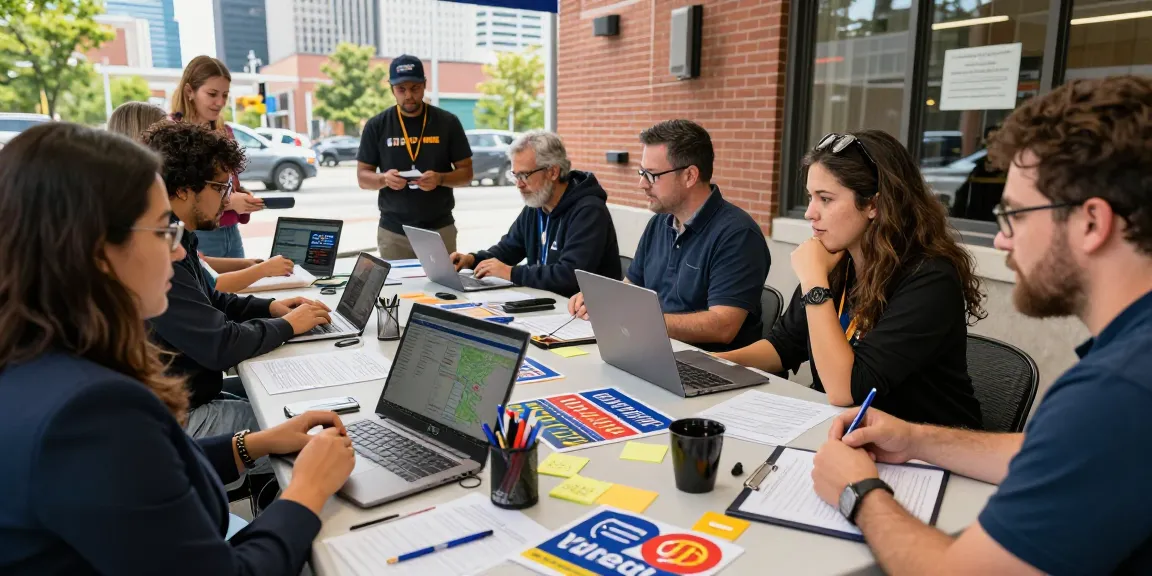
One of the most effective methods to raise awareness about wildfire prevention is through educational seminars and workshops. These gatherings provide vital information on how individuals and communities can prepare for wildfire risks. Effective seminars often include expert speakers from forestry departments, local firefighters, and environmental scientists, offering participants a well-rounded perspective on wildfire dangers and safety protocols.
Community Engagement Initiatives
Engaging the community in wildfire awareness initiatives creates a culture of preparedness. Initiatives can include neighborhood fire drills, clean-up projects in fire-prone areas, and the establishment of community watch programs where volunteers monitor risk factors. These grassroots efforts not only empower individuals but also foster solidarity within communities facing wildfire threats.
Partnerships with Local Organizations
Collaborating with local organizations enhancing wildfire awareness is crucial. These partnerships can take various forms, including joint events with schools, nature reserves, and environmental advocacy groups. By pooling resources and expertise, organizations can create comprehensive programs that effectively reach diverse community segments and ensure more significant impacts.
Planning Effective Wildfire Events
Choosing the Right Location
Selecting a suitable location for wildfire events involves analyzing fire-prone areas, accessibility for participants, and the potential impact on local ecosystems. Holding events in high-risk zones can serve as practical demonstrations of prevention techniques, while ensuring adequate safety measures are in place.
Coordinating Volunteers and Resources
Successful wildfire events require careful coordination of volunteers and resources. This includes engaging local fire departments, environmental organizations, and community members willing to lend their time and efforts. Establishing a clear chain of command and responsibilities can streamline operations and make the event more efficient.
Marketing Your Wildfire Event
Effective marketing strategies are essential for maximizing attendance and impact. Utilizing social media platforms, local radio stations, and community bulletin boards can help promote the event broadly. Engaging graphics and information-rich content can attract a diverse audience, ensuring that vital information reaches those who need it most.
Innovative Ideas for Wildfire Events
Interactive Learning Experiences
Creating interactive learning experiences can enhance engagement during wildfire events. Some innovative strategies might include live demonstrations of fire suppression techniques, interactive exhibits about local flora and fauna vulnerable to wildfires, and hands-on workshops teaching basic fire safety skills like creating defensible space around homes.
Use of Technology and Social Media
Utilizing technology can significantly enhance the reach and effectiveness of wildfire events. Live streaming educational sessions or demonstrations can allow people who cannot attend in person to benefit from the knowledge shared. Furthermore, social media challenges that promote community interaction can raise awareness and encourage safety practices.
Promoting Outdoor Safety Practices
Incorporating outdoor safety practices in wildfire events educates the community on how to behave safely in fire-prone areas. Training participants in techniques such as safe campfire practices, recognizing fire danger levels, and what to do in case of an emergency can help minimize risks associated with outdoor activities.
Measuring Success of Wildfire Events
Tracking Attendance and Engagement
To gauge the success of wildfire events, tracking attendance and engagement is crucial. Utilizing pre- and post-event surveys can provide valuable insights into participants’ knowledge gains and attitudes toward wildfire preparedness. Additionally, monitoring social media mentions and shares can also demonstrate the reach of the event.
Feedback Collection and Analysis
Collecting feedback from attendees and volunteers can yield essential information for future event improvements. Using anonymous surveys allows participants to express their thoughts freely, helping organizers identify strengths and areas for enhancement. Structured feedback can inform future strategies and better align events with community needs.
Long-term Community Impact Assessment
Assessing the long-term impacts of wildfire events on community preparedness and awareness is vital. This can include monitoring subsequent wildfire incidents and their management, evaluating community engagement in fire safety practices, and analyzing the overall readiness of residents to respond to wildfires after educational initiatives.
Frequently Asked Questions
What is a wildfire event?
A wildfire event refers to any uncontrolled fire that spreads rapidly through vegetation, resulting in damage to the environment, wildlife, and potentially human settlements.
How can communities prepare for wildfires?
Communities can prepare by creating evacuation plans, establishing defensible spaces around properties, and conducting regular fire drills and educational workshops.
What role do local governments play in wildfire events?
Local governments coordinate emergency services, issue warnings, and facilitate community education about fire risks and preparedness measures.
How can I reduce the risk of wildfires around my home?
To reduce wildfire risk, maintain a defensible space by clearing dead vegetation, using fire-resistant landscaping, and ensuring your home has adequate fire safety measures.
Are wildfires always caused by human activity?
No, while many wildfires are human-caused, natural factors such as lightning strikes also contribute significantly to wildfire ignition.