Understanding Custom Tins
What Are Custom Tins?
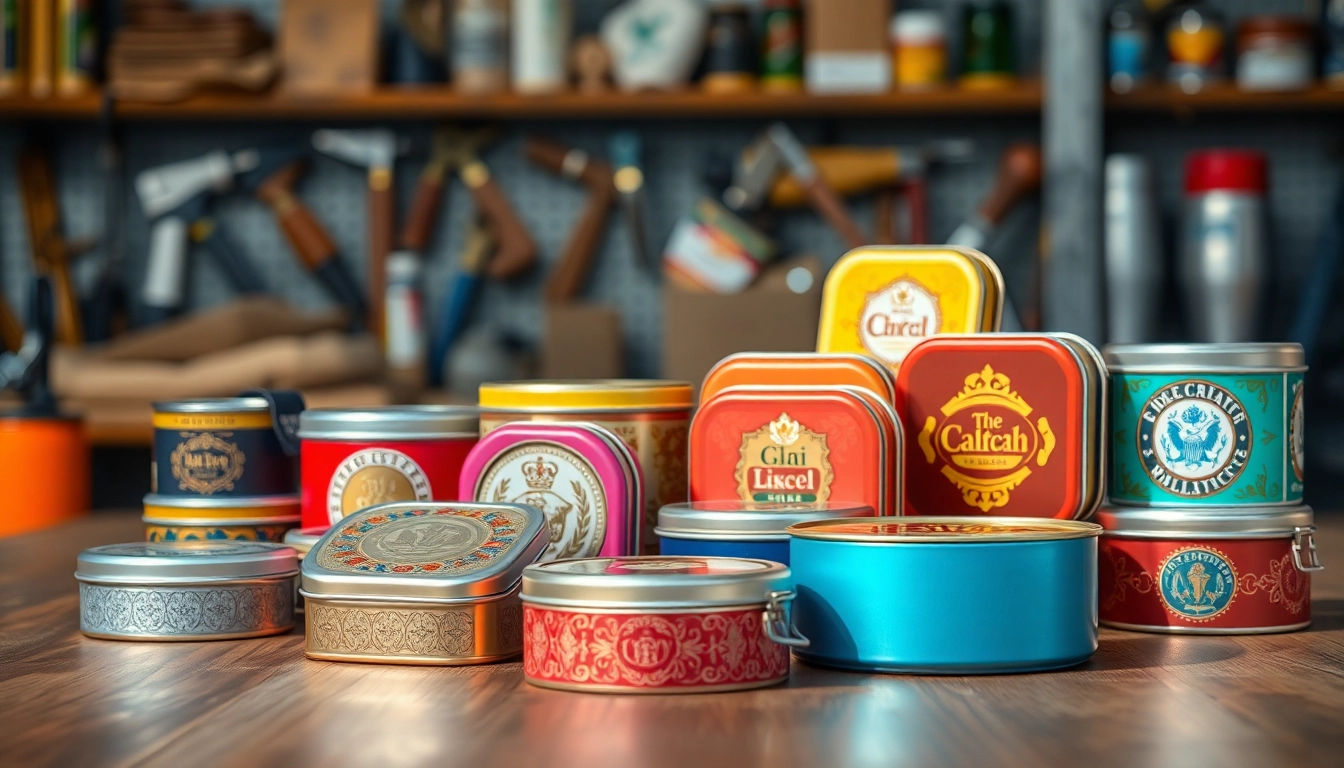
Custom tins are versatile packaging solutions that can be tailored to fit a variety of products and branding needs. Typically made from metal, these tins can be designed in multiple shapes, sizes, and finishes, making them a popular choice for businesses looking to create unique packaging that stands out on the shelves. Custom tins not only serve as practical containers for food items, cosmetics, or promotional gifts but can also be a great way to enhance a brand's identity and message. The potential for customization extends to colors, graphics, and even the type of lid used, resulting in a nearly limitless array of options for businesses seeking to make a statement with their packaging. Learn more about the different options available for custom tins.
Popular Uses for Custom Tins
The versatility of custom tins makes them suitable for a plethora of applications. Here are some popular uses:
- Food Packaging: Custom tins are widely used for snacks, candies, tea, and even gourmet dishes. Their airtight seal helps maintain freshness, making them ideal for preserving the quality of the contents.
- Gift Packaging: Many businesses use custom tins for seasonal gifts or special promotional items, catching customers' attention with appealing designs and vibrant colors.
- Cosmetics and Personal Care Products: The beauty industry often employs custom tins for packaging creams, balms, or even soap. The aesthetic appeal elevates the product's quality perception.
- Collectibles and Memorabilia: Tins that feature unique designs or branding can become coveted items among collectors, enhancing their resale value.
Design Elements that Matter
When designing custom tins, several key elements come into play that can significantly enhance their appeal and functionality:
- Shape and Size: The choice of shape can be an important design aspect that reflects the brand's identity and the product's nature. Common shapes include round, square, and rectangular, while sizes can range from small to large depending on the product quantity.
- Material Finish: A high-quality finish, whether glossy or matte, can create a luxurious feel. Consider using embossed elements for an added touch of sophistication.
- Color Schemes: The colors used should align with the brand's palette. Bright colors might attract attention, while softer tones can create a more elegant appearance.
- Graphic Design: Incorporating logos and product information on the tin's surface is essential for branding. Custom graphics that tell a story can resonate with consumers.
Benefits of Custom Tins for Businesses
Enhancing Brand Identity
Custom tins provide businesses with a unique platform to enhance their brand identity. With a well-conceived design, companies can visually communicate their brand’s values, mission, and uniqueness. The physicality of a custom tin—its shape, size, and texture—can add a tactile experience that resonates with customers. For example, a company that emphasizes sustainability might opt for eco-friendly materials and designs that reflect this ethos, thus reinforcing its identity in the mind of consumers.
Eco-Friendly Packaging Options
As consumer preference shifts towards more sustainable choices, custom tins present an excellent opportunity for eco-friendly packaging. Many manufacturers now offer recyclable materials and environmentally-friendly ink options for designing tins. Furthermore, because tins are durable and can be reused, they extend the lifespan of the packaging compared to single-use plastics, thereby reducing waste. The environmental benefits extend not only to the planet but also positively influence consumer perception, increasing loyalty among eco-conscious shoppers.
Cost-Effectiveness of Custom Tins
Many businesses worry about the upfront costs associated with custom packaging, but in the context of custom tins, the long-term value often outweighs initial expenditures. Custom tins are reusable, which increases perceived value, and they often allow for bulk production that reduces the cost per unit. Additionally, quality tins can help reduce spoilage rates, especially in food packaging, as they maintain freshness better than other materials. Ultimately, investing in custom tins can lead to a higher return on investment through enhanced brand loyalty and consumer trust.
Designing Your Custom Tins
Choosing the Right Materials
The first step in designing custom tins is selecting the right materials. Tins are typically made from tinplate—a steel sheet coated with a layer of tin—and this material is renowned for its durability and protective properties. However, businesses may also consider aluminum tins, which have a lighter weight and a contemporary appeal. Depending on the product being packaged, additional materials such as paperboard inserts can be used to better organize and present contents, which may be especially useful in gift packaging.
Color and Graphics Strategies
Once the material is decided, color and graphics become the next crucial elements. Brands should ensure that their color choices reflect their overall branding strategy. Using color theory—strategically implementing contrasts, harmonies, and emotions associated with colors—can lead to more successful designs. It's also essential to ensure that text and images are clearly legible and stand out on the tin. Professional graphic designers can aid in the development of visually appealing, informative designs that balance aesthetics with functionality.
Legal Considerations for Custom Branding
When creating custom tins, businesses must also be aware of any legal considerations that may apply. For instance, packaging, especially in food and cosmetic industries, often requires compliance with country-specific regulations regarding labeling. This may include listing ingredients or nutritional information. Moreover, businesses should ensure that their design choices do not infringe on existing trademarks. Consulting with legal experts is advisable to navigate these potential pitfalls.
Production Process for Custom Tins
Steps in Creating Custom Tins
The production of custom tins involves several key steps, each designed to ensure quality and satisfaction:
- Design Submission: It begins with submitting the custom design to the manufacturer, where the design team will assess feasibility and make recommendations for optimal results.
- Prototyping: A prototype is created for the client to review, allowing for adjustments before mass production.
- Production: Upon approval, the manufacturing process begins, which includes cutting, printing, forming, and sealing the tins.
- Quality Assurance: Quality checks are conducted throughout the production process to ensure each tin meets the defined specifications and standards.
- Delivery: Finally, the finished product is packaged and shipped to the client.
Quality Control Measures
Ensuring the quality of custom tins is imperative for maintaining a brand's reputation. Each stage of the manufacturing process should incorporate quality control measures. Regular inspections, material testing, and consistency checks can prevent defects. It’s also beneficial to establish a feedback loop with clients to address any concerns promptly and adjust procedures as necessary.
Working with a Manufacturer
Choosing the right manufacturer plays a crucial role in the success of your custom tin project. Look for manufacturers who specialize in tins and have experience in producing high-quality products that align with your design vision. Establishing open communication channels can facilitate better collaboration and ensure that your expectations are met throughout the production process. Additionally, reviewing customer testimonials and case studies can provide insights into the manufacturer's reliability and quality standards.
Success Stories: Companies Using Custom Tins
Case Study 1: A Beverage Brand
A leading beverage brand incorporated custom tins for a limited edition product offering. By collaborating with a creative agency, they designed vibrant, eye-catching tins showcasing tropical graphics that aligned with the drink's flavor profile. The interactive design encouraged customers to recycle the tins or use them as collectible memorabilia, leading to increased sales and a boost in brand engagement online during its promotional period.
Case Study 2: A Gift Packaging Company
A gift company faced centralized competition in a highly saturated market. They decided to differentiate themselves by offering personalized custom tins tailored for events like weddings, birthdays, and corporate gifts. Through engaging themes and customization options, they noted a 40% increase in sales during the holiday season. The marketing strategy leveraged social media to showcase these gift tins, solidifying their place in the competitive landscape.
Case Study 3: A Candy Producer
An artisanal candy producer switched from traditional plastic packaging to custom tins for their premium product line. This not only improved the shelf life of their candies but also enhanced the product’s perceived quality. They utilized vibrant designs and included nostalgic elements, like retro branding, to appeal to their target demographic. As a result, they experienced a 30% surge in sales, with many customers returning specifically for the unique packaging.