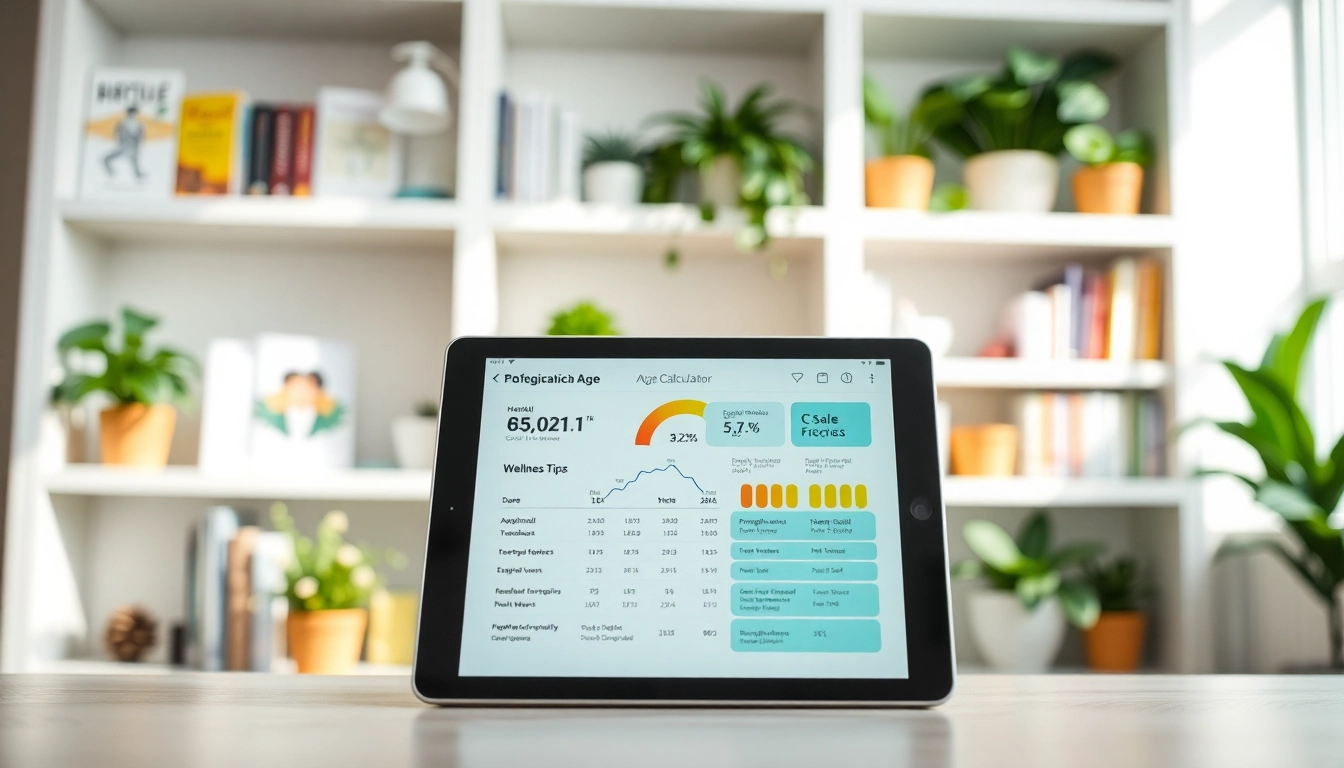
Understanding the Biological Age Calculator
In a world where wellness and longevity are more than just buzzwords, understanding the concept of biological age has gained significant traction. The biological age calculator serves as a powerful tool that allows individuals to evaluate their body’s health relative to their chronological age. This article delves into the intricacies of biological age, the science that underpins it, the mechanics of using these calculators, and the myriad benefits they offer for health awareness and personal wellness journeys.
What is a Biological Age Calculator?
A biological age calculator is a tool designed to estimate an individual’s biological age based on various health metrics, lifestyle factors, and physiological markers. Unlike chronological age, which is determined solely by the date of birth, biological age reflects the condition of the body and how well it is aging. Factors such as metabolic health, genetic predispositions, lifestyle choices, and environmental influences all contribute to biological age calculations.
The Science Behind Biological Age
Biological age is grounded in scientific inquiry into how our bodies age on a cellular and physiological level. Research indicates that biological age can vary significantly from chronological age due to factors such as inflammation, oxidative stress, and the overall health of bodily systems. Central to this is the concept of biomarkers, which are measurable indicators of biological processes. These biomarkers can include:
- Blood pressure
- Cholesterol levels
- Inflammatory markers (e.g., C-reactive protein)
- Glucose metabolism
- Body composition
Advancements in biotechnology and health metrics have made it possible to analyze these biomarkers and provide an estimate of biological age, offering insights into one’s health trajectory.
How the Calculator Works
Most biological age calculators follow a systematic approach to gathering data. They typically require users to input various health metrics, including biometrics and lifestyle factors. Based on the data provided, the calculator employs algorithms that compare individual inputs against established norms to determine biological age. Some calculators also incorporate data from blood tests and can handle complex calculations based on multiple biomarkers.
Utilizing a biological age calculator can be incredibly powerful, especially when done periodically. Regular monitoring allows for tracking changes over time, offering clear insights into the effects of lifestyle changes or interventions aimed at improving health.
Benefits of Using a Biological Age Calculator
Utilizing a biological age calculator can substantially benefit individual health management. Here, we explore some of the top benefits associated with these tools.
Improving Health Awareness
The first and foremost benefit of a biological age calculator is that it enhances health awareness. By providing individuals with insights into their biological age, these calculators help identify emerging health issues or existing problems that may be masked by chronological age. Awareness is the first step towards making informed decisions about one’s health, prompting individuals to take proactive steps toward better wellness.
Tracking Wellness Progress
Regular use of a biological age calculator allows users to track their wellness progress over time. By comparing results from different intervals, individuals can assess the effectiveness of lifestyle changes, such as improved diet, increased physical activity, stress management techniques, and other health-oriented practices. This longitudinal tracking can serve as a motivating factor, helping to sustain commitment to healthy behaviors.
Personalized Health Recommendations
Another significant advantage of using a biological age calculator is the potential for receiving personalized health recommendations. After determining biological age, individuals can receive tailored advice on diets, exercise regimens, and lifestyle adjustments that can effectively help in reducing biological age and improving overall health. This personalized approach is pivotal as it encourages individuals to engage with their health in a meaningful way, making it more relatable and attainable.
How to Use the Biological Age Calculator Effectively
Using a biological age calculator effectively requires a tactical approach to ensure accurate assessments of health. By following certain steps, users can garner the most beneficial results and insights from these tools.
Gather Necessary Information
To achieve a precise estimation of biological age, an individual must gather all necessary health data before using the calculator. This may include:
- Recent blood test results
- Body mass index (BMI)
- Physical activity level
- Dietary preferences
- Family medical history
Accurate input is crucial since the reliability of the calculator depends on the quality of the information provided. Without adequate data, the results can be skewed or misleading.
Interpreting Your Results
Once the biological age is calculated, understanding the results is vital. Users have to interpret what their biological age indicates about their current health status. Considerations include understanding how far biological age deviates from chronological age and identifying possibly concerning health markers that warrant further exploration.
Moreover, users should focus on what the results imply about their risk for chronic diseases, longevity, and overall health. It’s important to remember that biological age isn’t a definitive diagnosis but an indication that can stimulate further inquiry and action.
Actionable Steps to Improve Your Health
After interpreting the results, it’s vital to carve out actionable steps for improvement. Individualized plans may differ, but common strategies include:
- Incorporating more whole foods rich in nutrients into the diet.
- Establishing a regular exercise routine that includes both cardiovascular and strength training.
- Prioritizing sleep hygiene and managing stress through techniques like mindfulness or yoga.
- Avoiding tobacco and limiting alcohol consumption.
Engaging in these actionable steps can lead to measurable improvements in biological age over time, contributing to enhanced health and quality of life.
Common Mistakes to Avoid
While using a biological age calculator can be illuminating, there are pitfalls that some users may encounter. Understanding these common mistakes can enhance the effectiveness of the tool.
Overlooking Important Health Factors
One common error is viewing biological age in isolation. Individuals may fixate solely on the calculated number without considering the implications of overlooked health factors. It is essential to incorporate a holistic view of health, including mental, emotional, and social well-being, since various aspects of life contribute to biological aging.
Misunderstanding Age Metrics
Another frequent mistake is misinterpreting the biological age metric. Some individuals may see a higher biological age than expected and feel discouraged without recognizing the potential for improvement through lifestyle changes. It’s vital to embrace biological aging as a fluid concept that can be positively influenced over time.
Neglecting Follow-Up Recommendations
Lastly, after receiving their results, some users may forget to implement recommended follow-ups. Utilizing the insights gained from a biological age calculator necessitates an ongoing commitment to monitoring health. Periodic reassessment and adjustment of health strategies based on lifestyle changes and new insights are essential for continued progress.
Future of Biological Age Calculation
The future of biological age calculation appears promising, especially given the continuous advancement of technology and health science. Emerging trends indicate exciting potential opportunities for wider applications and enhanced accuracy.
Innovative Trends in Health Technology
The intersection of health technology and biological age calculation is set to expand dramatically. Innovations like artificial intelligence and machine learning are beginning to refine the algorithms that power biological age calculators, improving their precision and adaptability. As new research emerges, these tools are likely to incorporate additional biomarkers and advanced analytics, resulting in more personalized insights for users.
Integration with Wearable Health Devices
Wearable technology is on the rise, and integrating biological age calculators with these devices can provide users with real-time health data. Wearables equipped with sensors that monitor heart rate, physical activity, sleep patterns, and other health metrics can feed invaluable information directly to the biological age calculation process. This synergy can greatly enhance the accuracy and relevance of biological age assessments.
Expanding the Use of Biomarkers
Research continues to identify new biomarkers that can contribute to biological age estimation. For instance, the potential incorporation of genetic markers and epigenetic factors may revolutionize how biological age is understood and measured. As our understanding of human biology deepens, so too will the capacity for more nuanced and granular biological age assessments.
In summary, the biological age calculator serves as a vital tool for health awareness and personal well-being. By measuring biological age, individuals can track their health journeys, gain insights into their wellness, and take actionable steps to improve their quality of life. Embracing technology and scientific advancements in this field will only strengthen the relevance and efficacy of biological age calculation, ultimately leading to healthier, longer lives.