Understanding Commercial Roofing Services
What Are Commercial Roofing Services?
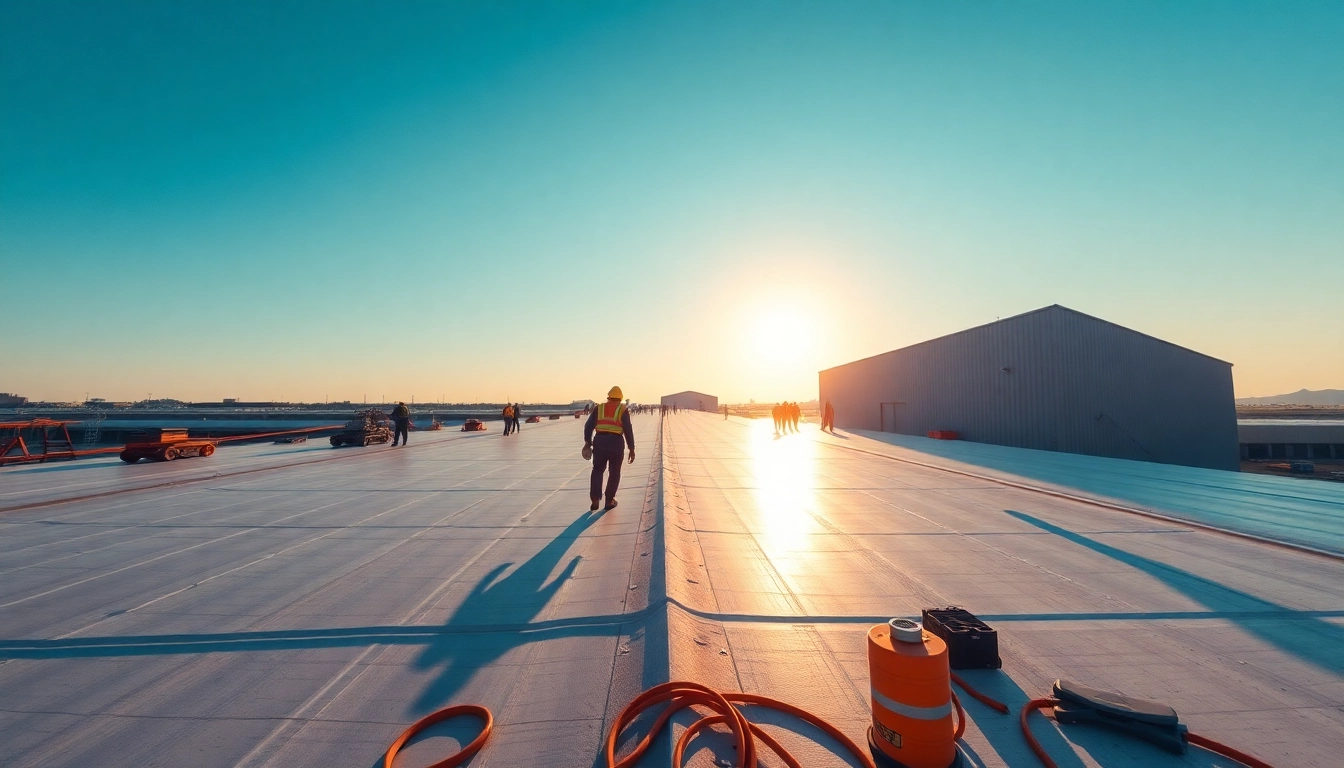
Commercial roofing services encompass a wide range of specialized solutions designed to meet the unique needs of businesses and industries. Unlike residential roofing, which typically focuses on individual homes, commercial roofing addresses the complexities of larger buildings such as office complexes, warehouses, factories, and retail spaces. These services include everything from installation and repair to maintenance and inspection, ensuring that commercial properties remain safe, functional, and aesthetically pleasing.
Whether your business is looking to install a new roof, maintain an existing one, or address urgent repairs, understanding the scope of commercial roofing services is crucial. This knowledge empowers business owners to make informed decisions that safeguard their investments.
Types of Commercial Roofing Systems
Commercial roofing systems vary significantly based on building type, local climate, budget, and specific operational needs. The most common types include:
- Flat Roofs: Often made from materials like TPO, EPDM, or PVC, flat roofs are popular for commercial buildings due to their accessibility and ease of maintenance.
- Metal Roofing: Known for durability and longevity, metal roofs can withstand severe weather conditions. They are available in a variety of styles and colors, enhancing the aesthetic appeal of a building.
- Built-Up Roofing (BUR): A traditional system that layers asphalt and gravel to create a waterproof membrane, ideal for flat roofs.
- Modified Bitumen: This system combines the features of BUR with the advantages of modern technology, providing resilience and insulation.
- Green Roofs: Incorporating vegetation, these roofs not only offer insulation but also benefit the environment and reduce urban heat.
Benefits of Professional Commercial Roofing Services
Engaging professional commercial roofing services comes with many advantages:
- Expertise: Professionals bring specialized knowledge and experience to ensure proper installation and maintenance, reducing the risk of future issues.
- Quality Materials: Roofing experts have access to high-quality materials and products that may not be available to general contractors or DIY enthusiasts.
- Warranty Protection: Many roofing contractors offer warranties on both materials and workmanship, providing peace of mind for business owners.
- Safety Compliance: Professional roofers adhere to all safety regulations and standards, ensuring compliance with local codes and minimizing occupational hazards.
Choosing the Right Commercial Roofing Material
Popular Materials for Commercial Roofing Services
Selecting the right roofing material is crucial for the performance and longevity of any commercial roof. Here are some popular options:
- TPO (Thermoplastic Polyolefin): A widely used single-ply membrane that is lightweight, cost-effective, and energy-efficient.
- EPDM (Ethylene Propylene Diene Monomer): Known for its exceptional weather resistance, this rubber membrane is popular for flat roofs.
- Metal Roofing: Made from steel, aluminum, or copper, metal roofs provide excellent durability and require minimal maintenance.
- PVC (Polyvinyl Chloride): A single-ply roofing system with excellent reflective properties, making it a great option for energy-conscious businesses.
- Built-Up Roofs: Consisting of multiple layers of roofing material, built-up roofs create a robust, waterproof barrier ideal for flat roofs.
Factors Influencing Material Selection
When choosing roofing materials, consider the following factors:
- Climate: Different material types perform better depending on regional weather conditions, such as heat, rain, snow, or high winds.
- Building Design: The architectural features and layout of a building can dictate the most appropriate roofing solutions.
- Budget: Material costs vary significantly, and businesses must weigh initial expenses against long-term durability and maintenance requirements.
- Energy Efficiency: Increasingly, businesses prioritize materials that enhance energy efficiency to lower operational costs.
Long-Term Value of Quality Roofing Materials
Investing in high-quality roofing materials can lead to substantial long-term savings. While cheaper options might initially lower installation costs, they often lead to higher maintenance expenses and a shorter lifespan. Quality roofing materials can enhance energy efficiency, reduce repair frequency, and ultimately provide a better return on investment. In addition, commercial roofs are often subject to constant wear and tear due to weather and environmental factors, making durability a crucial consideration.
Key Services Offered by Commercial Roofing Experts
Installation of Commercial Roofing Systems
Proper installation is fundamental to the performance of a commercial roofing system. Installing a new roof involves detailed planning and execution, including site inspections, material selection, labor allocation, and adherence to code regulations. Roofing experts ensure that every step is followed meticulously, reflecting their expertise and commitment to quality.
Maintenance and Repair Services
Routine maintenance is vital to prolonging the lifespan of any commercial roof. Regular inspections can identify minor issues before they escalate into costly repairs. Common maintenance tasks include clearing debris, checking for leaks, and ensuring proper drainage. Additionally, expert contractors can provide specialized repair services, from fixing leaks to replacing damaged sections, tailored to the specific type and design of the roof.
Emergency Roofing Services: What to Expect
When unexpected emergencies such as severe storms, fire, or water damage occur, timely support from commercial roofing services can mitigate further damage. Most professional roofing contractors offer 24/7 emergency response services. Upon contacting an emergency service provider, expect a prompt assessment of the situation, detailed reporting of the extent of the damage, and recommendations for immediate repairs.
Assessing Your Commercial Roofing Needs
How to Evaluate Your Current Roof Condition
Regular roof assessments are essential to ensure the integrity of your commercial roofing system. Look for signs such as:
- Visible wear or discoloration
- Water stains on ceilings or walls
- Pooling water or clogged gutters
- Increased energy bills
Conducting routine inspections or hiring professionals to evaluate your roof’s condition will help identify any issues before they become serious problems.
Signs You Need Commercial Roofing Services
Not all roofing issues are immediately visible. However, be vigilant for the following signs that indicate the need for professional intervention:
- Leaking roofs or water damage indoors.
- Frequent repairs that exceed typical maintenance costs.
- Weather-related damage post-storm.
- Loss of granules from shingles or irregular wear.
Custom Solutions for Unique Business Requirements
Every commercial establishment has distinct needs based on its function, location, and architectural style. Roofing providers can often tailor solutions by integrating features such as skylights, drainage systems, or energy-efficient technologies based on client requirements.
Finding and Working with a Commercial Roofing Provider
Tips for Selecting a Trusted Roofing Contractor
Finding a reliable roofing contractor is essential for the success of your commercial roofing project. Consider the following tips:
- Check Credentials: Ensure the contractor is licensed, insured, and bonded.
- Review References: Ask for testimonials and case studies from previous clients to assess their quality of work.
- Compare Quotes: Obtain multiple estimates to understand the average market price and services included.
- Assess Experience: Look for contractors with a proven track record specifically in commercial roofing systems.
What to Expect During the Roofing Process
Understanding the roofing process can ease the transition for business owners:
- Initial Consultation: Discuss your needs and expectations with the contractor.
- Detailed Assessment: A thorough evaluation of your building and existing roofing conditions.
- Plan Development: Collaborate on a project plan, including timelines, costs, and materials.
- Installation or Repair: The contractor will commence work based on the agreed-upon plan.
- Final Inspection: Complete a post-project review to ensure all work meets agreed standards.
Ensuring Quality and Compliance in Commercial Roofing
Quality is paramount in the roofing sector. Ensure your contractor adheres to all building codes and safety regulations. Quality control measures through inspections and certification processes can help verify that the work performed meets industry standards and will resist the test of time.