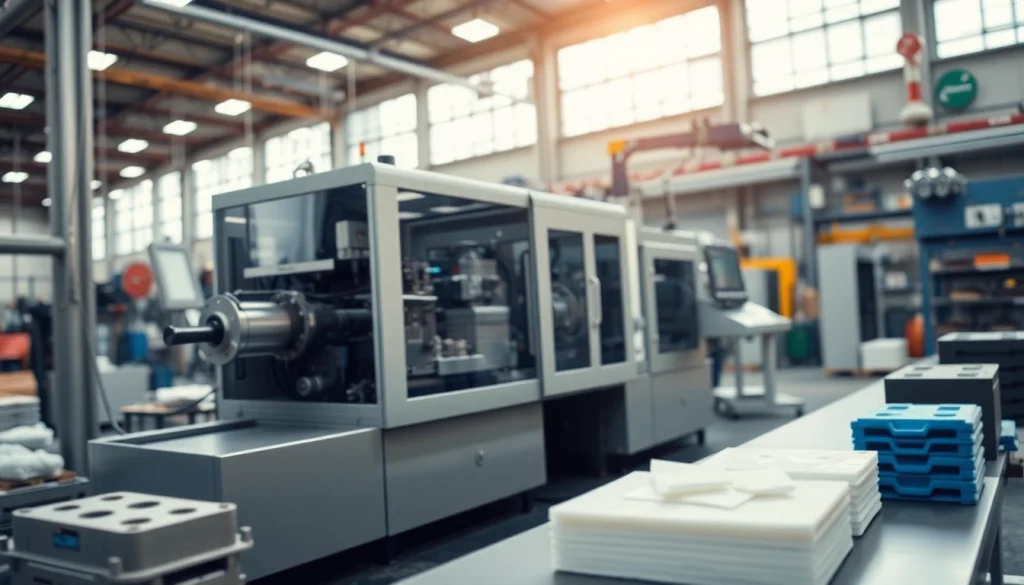
Introduction to Injection Molding Machines
The Injection Molding Machine is a fundamental tool in modern manufacturing, revolutionizing the way plastic and other materials are shaped and formed into products. With applications ranging from automotive components to consumer goods, these machines play a critical role in a variety of industries. As businesses seek to improve efficiency and reduce production costs, understanding the intricacies of injection molding becomes increasingly vital.
What is an Injection Molding Machine?
An injection molding machine is a manufacturing equipment used for producing parts by injecting molten material into a mold. This process typically involves several steps: melting the material, injecting it into a mold, and allowing it to cool and solidify into the desired shape. Injection molding is predominantly used with plastics, but can also accommodate other materials like metals and ceramics. The versatility and efficiency of this process make it the preferred choice for mass production, enabling manufacturers to create intricate and durable products at scale.
Overview of Key Components
Understanding the main components of injection molding machines is crucial for anyone involved in the production process. The key components include:
- Injection Unit: Responsible for melting and injecting the material into the mold.
- Mold: The tool that shapes the molten material into the final product. Molds are typically made from steel or aluminum and can be complex in design, allowing for detailed features.
- Clamping Unit: This component holds the mold closed during the injection process and opens it to eject the finished part. It exerts considerable force to maintain mold integrity under pressure.
- Control System: Modern injection molding machines are equipped with computerized controls that monitor and regulate the injection parameters, optimizing quality and efficiency.
- Cooling System: After injection, the cooled mold ensures that the part solidifies properly. Proper cooling time is essential for maintaining dimensional accuracy.
How Injection Molding Works
The injection molding process can be broken down into a series of stages:
- Preparation: The resin material is fed into the injection unit, where it is heated and melted. This prepares it for injection into the mold.
- Injection: Once the material reaches the right viscosity, it is injected into the mold under high pressure. The speed and pressure must be tightly controlled to ensure consistent fill and avoid defects.
- Cooling: The mold is cooled, allowing the material to solidify. This step is crucial for achieving the desired level of structural integrity and dimensional accuracy.
- Ejection: After cooling, the mold opens and ejects the finished part. Automated systems often assist in this step to increase production speed.
- Inspection and Finishing: Finally, the parts may undergo quality checks and additional finishing processes to meet specifications and customer expectations.
Types of Injection Molding Machines
There are several types of injection molding machines, each designed to meet specific manufacturing needs. Understanding these can be pivotal in selecting the right machine for your production line.
Hydraulic vs. Electric Injection Molding Machines
Injection molding machines can be broadly categorized into hydraulic and electric types:
- Hydraulic Injection Molding Machines: These machines utilize hydraulic power to operate the clamping and injection systems. They are known for their robust performance and are capable of handling large mold sizes. However, they tend to have a higher energy consumption rate and may require more maintenance due to the complexities of hydraulic systems.
- Electric Injection Molding Machines: Powered by electric motors, these machines offer precision and efficiency. They consume less energy, have a smaller footprint, and require less maintenance compared to their hydraulic counterparts. Electric machines are gaining popularity due to their consistent performance and reduced cycle times.
Hybrid Injection Molding Machines
Hybrid injection molding machines combine the benefits of both hydraulic and electric technologies. They typically employ an electric motor for the injection process while utilizing hydraulic power for the clamping system. This design aims to offer enhanced speed and precision, along with lower energy consumption and greater flexibility during operation. Hybrid systems are becoming increasingly prevalent in specialized applications requiring both high speed and power.
Choosing the Right Type for Your Needs
Selecting the right injection molding machine hinges on various factors like the type of material to be processed, the complexity of parts, production volume, and budget. Here are some considerations:
- Material Type: Different materials may perform better with specific machine types. For instance, certain resins may require the precision of electric machines.
- Production Volume: For high-volume production, hydraulic machines may still be favored, while electric or hybrid machines shine in precision-oriented low to medium volumes.
- Part Complexity: Intricate designs may necessitate the accuracy offered by electric machines.
Benefits of Using Injection Molding Machines
Injection molding machines offer numerous advantages that contribute to their widespread use in manufacturing:
Cost-Effectiveness in High Volume Production
One of the standout benefits of injection molding is its cost-effectiveness, particularly when it comes to high-volume production runs. The initial investment in molds can be significant. However, once molds are created, the cost per unit declines dramatically as production scales up. This economic efficiency is crucial for manufacturers looking to maintain competitive pricing while maximizing profit margins.
Precision and Quality Control in Manufacturing
Injection molding machines are known for their high precision and repeatability. With computerized controls, manufacturers can achieve tight tolerances, leading to parts that meet stringent quality standards. The capability to monitor and adjust parameters in real-time allows for quality control measures to be integrated directly into the production process, reducing waste and enhancing overall product quality.
Eco-Friendly Innovations in Injection Molding
Recent advancements in injection molding technology have also paved the way for more sustainable manufacturing practices. Many machines now incorporate eco-friendly resin materials, which can include recycled plastics or bio-based alternatives. Moreover, energy-efficient electric and hybrid machines reduce the carbon footprint associated with production. These developments resonate with a growing consumer demand for environmentally responsible products.
Common Challenges in Injection Molding
Despite the advantages, injection molding presents several challenges that manufacturers must navigate to ensure successful production:
Addressing Defects and Quality Issues
Defects such as warping, air bubbles, and surface blemishes can occur during the injection molding process. Identifying the root causes of these defects often involves analyzing various parameters such as temperature, pressure, and cooling time. Implementing advanced monitoring technologies can help detect anomalies early, allowing manufacturers to take corrective measures before large quantities are produced.
Maintenance Requirements for Longevity
Regular maintenance is crucial to the longevity and optimal performance of injection molding machines. This includes lubricating moving parts, checking hydraulic fluid levels, and performing annual inspections. A proactive approach to maintenance can prevent unexpected downtimes and the costly repairs associated with machine failure.
Understanding Material Limitations
Different materials come with their own set of limitations and characteristics. It is essential for manufacturers to understand the properties of the materials they are using, including thermal conductivity, viscosity, and shrinkage rates. This knowledge will guide critical decisions during the injection molding process, from temperature settings to cooling requirements.
Best Practices for Operating Injection Molding Machines
To maximize productivity and product quality, following best practices in operating injection molding machines is imperative:
Setting Up Efficient Production Lines
Efficient setup of production lines begins with proper layout planning. Machines should be positioned for optimal workflow, minimizing unnecessary movements and maximizing the efficiency of material transport and part handling. Implementing just-in-time manufacturing principles can further enhance production efficiency, reducing waste and inventory costs.
Training Your Workforce
Investing in training for your workforce is a critical factor in successful injection molding operations. Operators should be well-versed in machine operation, troubleshooting common issues, and understanding the importance of quality control measures. Regular training sessions that focus on the latest technologies and techniques can help maintain high levels of operational competency.
Leveraging Technology for Enhanced Performance
Adopting the latest technologies can significantly enhance injection molding performance. For example, integrating automation can streamline production processes, reduce labor costs, and increase output. Additionally, utilizing data analytics allows manufacturers to monitor machine performance in real time, offering insights that can drive efficiency improvements and optimize operations.