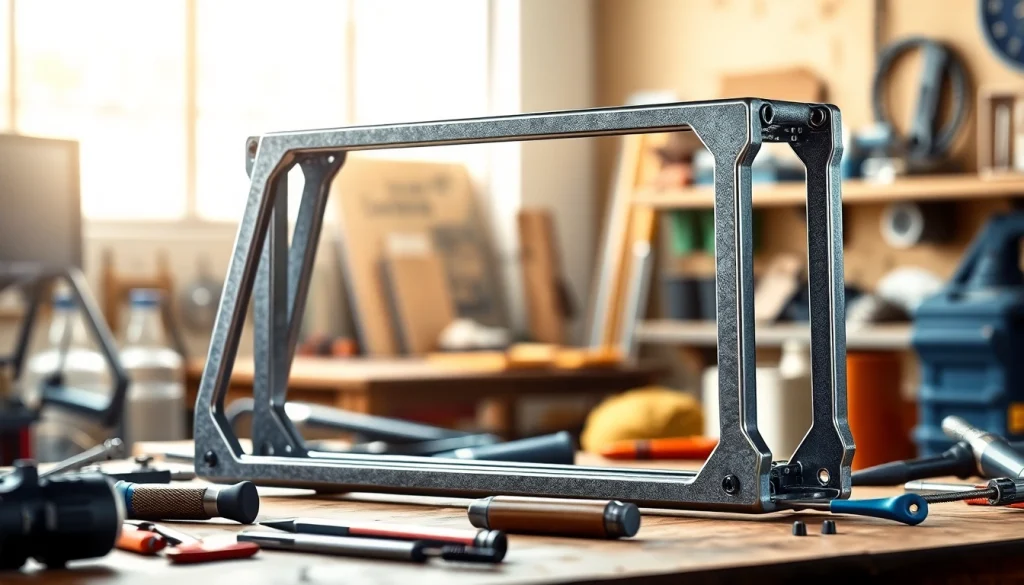
1. Introduction to pf940v2 Frame Kits
Understanding the Basics of Frame Kits
Frame kits, particularly the pf940v2, offer firearm enthusiasts a unique opportunity to construct their own handguns. This process not only cultivates a deep understanding of the tool but also enhances the user experience by providing flexibility in design, ergonomics, and performance tailoring. At the core of any successful build is the frame of the firearm, which houses all internal components and dictates much of the handgun’s functionality and feel.
Key Features of the pf940v2
The pf940v2 frame kit is renowned for its robust structure, meticulously designed features, and high customization potential. Key attributes include:
- Durable Polymer Composition: Crafted from high-quality polymer, the frame promises resilience while remaining lightweight.
- Ease of Assembly: Designed with the first-time builder in mind, the pf940v2 comes with comprehensive instructions making it approachable for novices.
- Compatibility: The pf940v2 frame supports compatibility with numerous internal components, enhancing its versatility.
- Ergonomic Design: Features such as finger grooves and textured sides ensure comfortable handling and usability during operation.
Importance of Customization
Customization is paramount for firearms, allowing enthusiasts to tailor their handguns to their personal preferences, shooting style, and specific use cases. The pf940v2 frame allows for a variety of enhancements, including modifications to the grip texture, trigger, and overall fit of the handgun to the shooter’s hand. This personalization often improves overall shooting performance and satisfaction.
2. Preparing for Your Build
Tools and Materials Needed
A successful assembly of the pf940v2 frame kit requires specific tools and materials to ensure safety and efficiency during the build process. Essential tools include:
- Drill: Specifically, a rotary tool with appropriate bits for frame modifications.
- Hand Tools: Screwdrivers, pliers, and punches are critical for fitting the components accurately.
- A Non-Marring Surface: A workbench or surface that won’t scratch your frame during assembly is important.
Safety Precautions During Assembly
Safety should always be a priority when assembling firearms. Key precautions include:
- Always wear safety glasses when using power tools to protect your eyes.
- Keep your workspace clean and organized to avoid accidents.
- Avoid distractions and ensure all necessary tools are at hand before starting.
Workspace Setup for Efficiency
Setting up an efficient workspace can significantly improve your assembly experience. Consider the following:
- Clear Workspace: A clutter-free area will help you concentrate and work efficiently.
- Good Lighting: Adequate lighting is essential for seeing small parts and avoiding mistakes.
- Organized Tools: Use organizers or toolboxes to keep everything accessible but tidy.
3. Step-by-Step Assembly Instructions
Assembling the pf940v2 Frame
The assembly of the pf940v2 frame can be broken down into manageable steps:
- Prepare the Frame: Start by ensuring that the frame is clean and free of any debris.
- Install the Locking Block: Position the locking block into the designated area of the frame and secure it accordingly.
- Fit the Trigger Mechanism: Insert the trigger into its appropriate place, ensuring it moves freely.
- Check for Stability: Once assembled, gently apply pressure to ensure all components are secure.
Installing Internal Components
Once the frame is complete, it’s time to install the internal components. This typically includes:
- Barrel and recoil spring assembly
- Trigger housing and mechanism
- Slide and accompanying accessories.
Each component must be fitted carefully to ensure proper function and safety.
Finishing Touches and Adjustments
After the primary assembly, fine-tuning your pf940v2 is crucial. Adjustments may include:
- Testing the trigger pull and adjusting as necessary.
- Ensuring the slide operates smoothly without obstruction.
- Finalizing any aesthetic enhancements like painting or texturing.
4. Performance and Maintenance Tips
Functionality Improvements to Consider
To maximize the performance of your pf940v2, consider upgrades such as:
- Enhanced trigger systems for better pull and reset.
- Upgraded barrels for improved accuracy and velocity.
- Adjustable sights to suit your shooting preferences.
Regular Maintenance for Longevity
Maintaining your pf940v2 is key to ensuring longevity and optimal performance. Regular cleaning and lubrication of all moving parts will prevent wear and tear over time. It’s generally recommended to clean the firearm after each use and perform an in-depth check monthly.
Troubleshooting Common Issues
No assembly is without its challenges. Common issues may include:
- Failure to Feed: Check if the magazine is properly seated or if dirt is obstructing the chamber.
- Trigger Failures: Inspect the trigger assembly for proper alignment and functioning.
- Slide Malfunctions: Ensure that the slide has not been over-lubricated, which could hinder function.
5. Answers to Common Questions
What tools are essential for the pf940v2 assembly?
Essential tools include a drill, hand tools like screwdrivers and pliers, and a work surface that is clean and non-marring.
How can I customize my pf940v2 frame?
Customization includes adjusting grip texture, trigger specifications, and upgrading components for improved performance.
Are there specific safety tips while assembling?
Always wear safety glasses, keep a clean workspace, and ensure you have all tools organized to maintain focus and avoid accidents.
What performance upgrades are available?
Upgrades include improved triggers, enhanced barrels, and adjustable sights. Each component can be tailored to your shooting style.
How do I maintain my pf940v2 for best performance?
Regularly clean and lubricate all parts, inspect for wear, and ensure components are functioning correctly to maintain optimal performance.