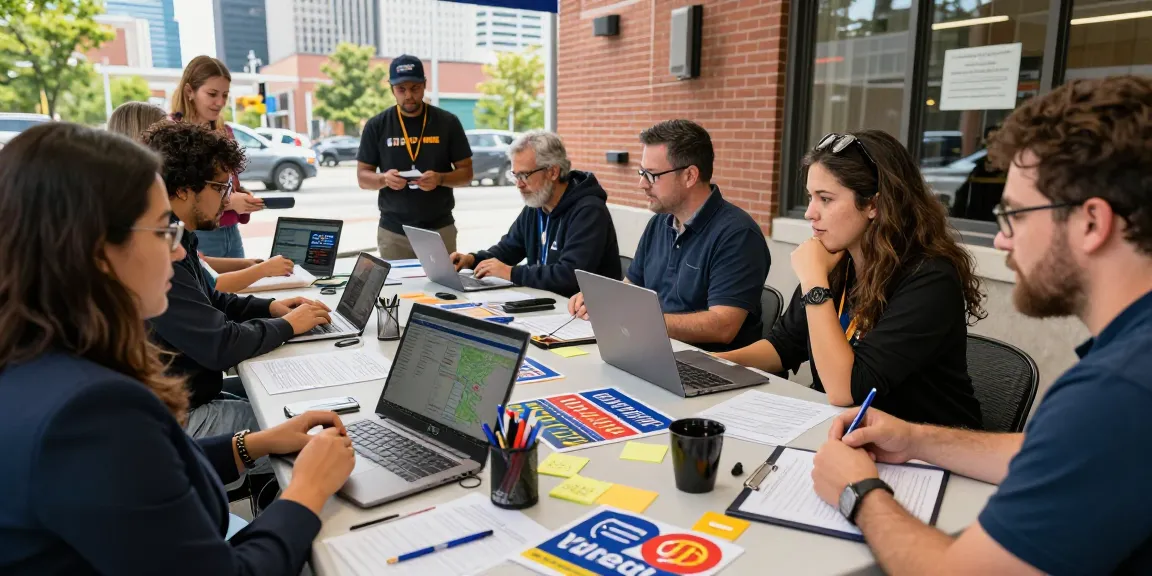
Understanding Small Dollar Fundraising in Political Campaigns
In an era where political campaigns are increasingly reliant on grassroots support, small dollar fundraising has emerged as a pivotal strategy. Candidates, particularly those running for local offices or specific districts, benefit immensely from mobilizing small donations. This approach democratizes campaign funding, allowing individuals with limited financial resources to contribute to causes they are passionate about. By understanding the intricacies of small dollar fundraising, political candidates can harness the power of community engagement and drive significant results.
What is Small Dollar Fundraising?
Small dollar fundraising refers to the collection of modest contributions from a wide array of donors, typically characterized by individual donations that range from a few dollars to a few hundred. This fundraising strategy stands in contrast to larger contributions from high-net-worth individuals or political action committees (PACs), promoting a more inclusive form of campaign financing. Small dollar donations not only provide financial support but also serve as a symbolic gesture of community backing, demonstrating voter engagement and commitment to a candidate's vision.
The Importance of Voter Data in Fundraising
When it comes to effective fundraising, understanding voter demographics and preferences is crucial. Voter data acts as a roadmap, helping campaigns identify potential small dollar donors. By analyzing voter behavior patterns and identifying demographics that resonate with the campaign message, candidates can tailor their outreach efforts. This approach maximizes the effectiveness of fundraising campaigns and ensures that candidates are not only appealing to their core supporters but also reaching those who may not yet be aware of their platform.
How Small Dollar Fundraising Fits into Your Campaign Budget
Integrating small dollar fundraising into campaign budgets is essential for maximizing resources. Setting aside a portion of the budget specifically for outreach and engagement initiatives can yield substantial returns. Campaigns should focus on creating cost-effective strategies that resonate with the target audience, ensuring that every dollar spent generates a measurable outcome. This includes leveraging digital platforms for online fundraising, which can drastically reduce overhead costs associated with traditional fundraising methods.
Common Myths about Small Dollar Fundraising
Debunking Misconceptions about Donor Engagement
One prevalent myth is that small donors are less committed than large ones; however, research indicates that small dollar contributors often exhibit higher levels of engagement and loyalty. These donors are usually motivated by personal connections to a candidate's message and community impact. Thus, ignoring small dollar fundraising can alienate a large segment of the voter base that could otherwise serve as staunch advocates.
Understanding the Real Cost of Small Dollar Donations
Another misconception is that small dollar donations are not worth the effort, as they may seem insignificant compared to larger contributions. However, the cumulative effect of many small donations can provide a substantial financial boost. Additionally, smaller donations often come with fewer strings attached compared to larger donations, allowing candidates to maintain independence in their campaigns.
The Impact of Small Donations on Campaign Success
The impact of small dollar donations cannot be underestimated. Campaigns that successfully mobilize small donors often see a surge in voter enthusiasm and participation. This grassroots support not only enhances the campaign's funding but also fosters a sense of ownership among supporters, ultimately translating into higher voter turnout on election day. Furthermore, these contributions can serve as a barometer for community sentiment, providing valuable insights into potential election outcomes.
Strategies for Effective Small Dollar Fundraising
Building Your Voter Base through Targeted Outreach
Effective small dollar fundraising begins with building a solid voter base through targeted outreach. Utilizing voter data to segment audiences based on demographics, interests, and past voting behavior enables campaigns to craft tailored messages that resonate with specific groups. This personalized approach fosters stronger connections, increasing the likelihood of financial contributions and active participation.
Leveraging Digital Tools and Social Media
Digital tools and social media platforms play a critical role in small dollar fundraising. Campaigns can utilize these platforms to engage supporters, share their stories, and create compelling calls to action. By developing online fundraising campaigns that leverage social media, candidates can reach a wider audience quickly and economically. For instance, platforms like Facebook and Twitter allow campaigns to share updates and call for donations in real time, creating a sense of urgency and engagement.
Crafting Compelling Campaign Messages
The core of effective small dollar fundraising lies in crafting compelling campaign messages. Candidates should focus on articulating their vision, values, and the change they hope to bring. Stories that highlight personal connections to the community or significant policy issues can evoke emotional responses, motivating supporters to contribute financially. Consistency in messaging across all channels further strengthens this connection.
Measuring Success in Small Dollar Fundraising
Key Performance Metrics to Track
To gauge the effectiveness of small dollar fundraising efforts, monitoring key performance metrics is essential. Metrics such as total funds raised, number of unique donors, average donation size, and donor retention rates provide insights into the campaign's fundraising health. Additionally, tracking engagement metrics—such as social media shares, likes, and interactions—can offer a broader view of community support.
How to Analyze Voter Engagement and Fundraising Data
Analyzing voter engagement alongside fundraising data allows campaigns to identify trends and areas for improvement. Tools that aggregate and visualize data can help campaigns understand their fundraising landscape, revealing insights about donor demographics, preferences, and motivations. This data-driven approach enables campaigns to refine their strategies and focus their efforts on high-potential donor segments.
Adjusting Strategies Based on Performance Insights
Flexibility is key in fundraising. Campaigns should be prepared to adjust their strategies based on performance insights. For example, if certain demographics show higher engagement rates, reallocating resources to focus on outreach within those segments can lead to better fundraising outcomes. Continuous testing of different messaging and outreach strategies is essential to optimize results over time.
Future Trends in Small Dollar Fundraising (2026 and Beyond)
Emerging Technologies and Their Impact on Fundraising
The landscape of small dollar fundraising is expected to evolve significantly as new technologies emerge. Innovations such as artificial intelligence (AI) and machine learning can provide deeper insights into voter behavior, enabling campaigns to tailor their appeals more effectively. Furthermore, blockchain technology may revolutionize transparency and accountability in campaign financing, enhancing trust among small donors.
Shifts in Donor Behavior Post-Pandemic
The COVID-19 pandemic has fundamentally altered the way people engage with political campaigns. Many potential donors have become more discerning, favoring campaigns that demonstrate genuine community connection and responsiveness. Campaigns need to address these shifts by emphasizing transparency, community involvement, and responsiveness to voter needs, ensuring their fundraising messages align with the evolving sentiments of the electorate.
Preparing for the Next Election Cycle
As the next election cycle approaches, candidates must prepare for an increasingly competitive landscape in small dollar fundraising. This preparation involves leveraging lessons learned from previous campaigns, continuously optimizing outreach strategies, and staying attuned to changes in voter sentiment and engagement practices. Building a robust volunteer and supporter network will also enhance fundraising capabilities, ensuring campaigns can mobilize grassroots support effectively.
What are the main benefits of small dollar fundraising?
The main benefits include increased community engagement, a diversified funding base, and enhanced voter loyalty. Small dollar fundraising enables candidates to cultivate a broad support network that reflects the community’s desires and values, ultimately leading to a more inclusive political process.
How can I effectively target local voters?
Targeting local voters effectively involves utilizing voter data to identify key demographics, engaging in community outreach, and harnessing social media to convey campaign messages that resonate with local issues.
What tools can help track fundraising efforts?
Various digital tools, such as CRM software and fundraising platforms, can assist campaigns in tracking donations, managing donor relationships, and analyzing fundraising performance metrics. Additionally, data analytics tools can provide insights into donor behavior, enhancing campaign strategies.
What are common pitfalls in small dollar fundraising?
Common pitfalls include neglecting to engage with small donors post-donation, failing to personalize outreach efforts, and not adequately leveraging data insights to inform fundraising strategies. Avoiding these mistakes is crucial for maximizing the effectiveness of small dollar fundraising initiatives.
How has small dollar fundraising changed in recent years?
Small dollar fundraising has changed significantly, shifting towards more digital-centric strategies. The rise of online platforms and social media has democratized fundraising, allowing campaigns to reach wider audiences and engage donors in real time. This evolution has fundamentally altered the dynamics of campaign financing, making small dollar donations a critical component of electoral success.